02. The Strategy: Sell the Dream, Not Just the Inventory
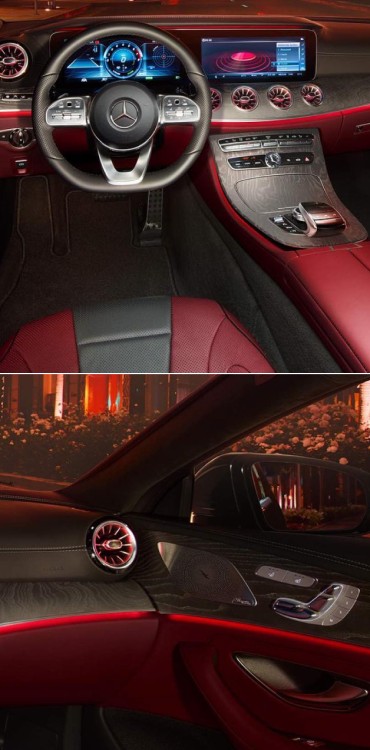
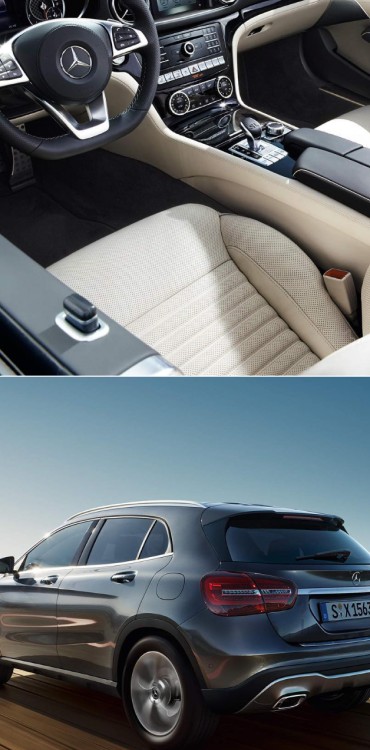
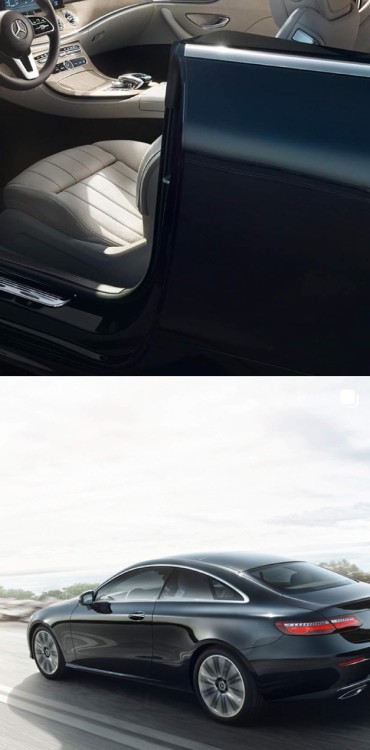
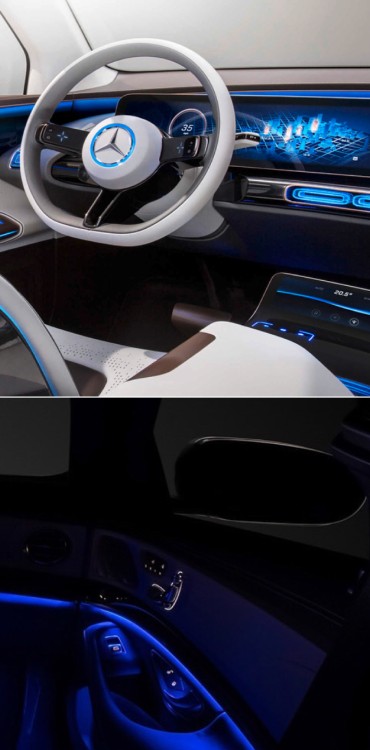
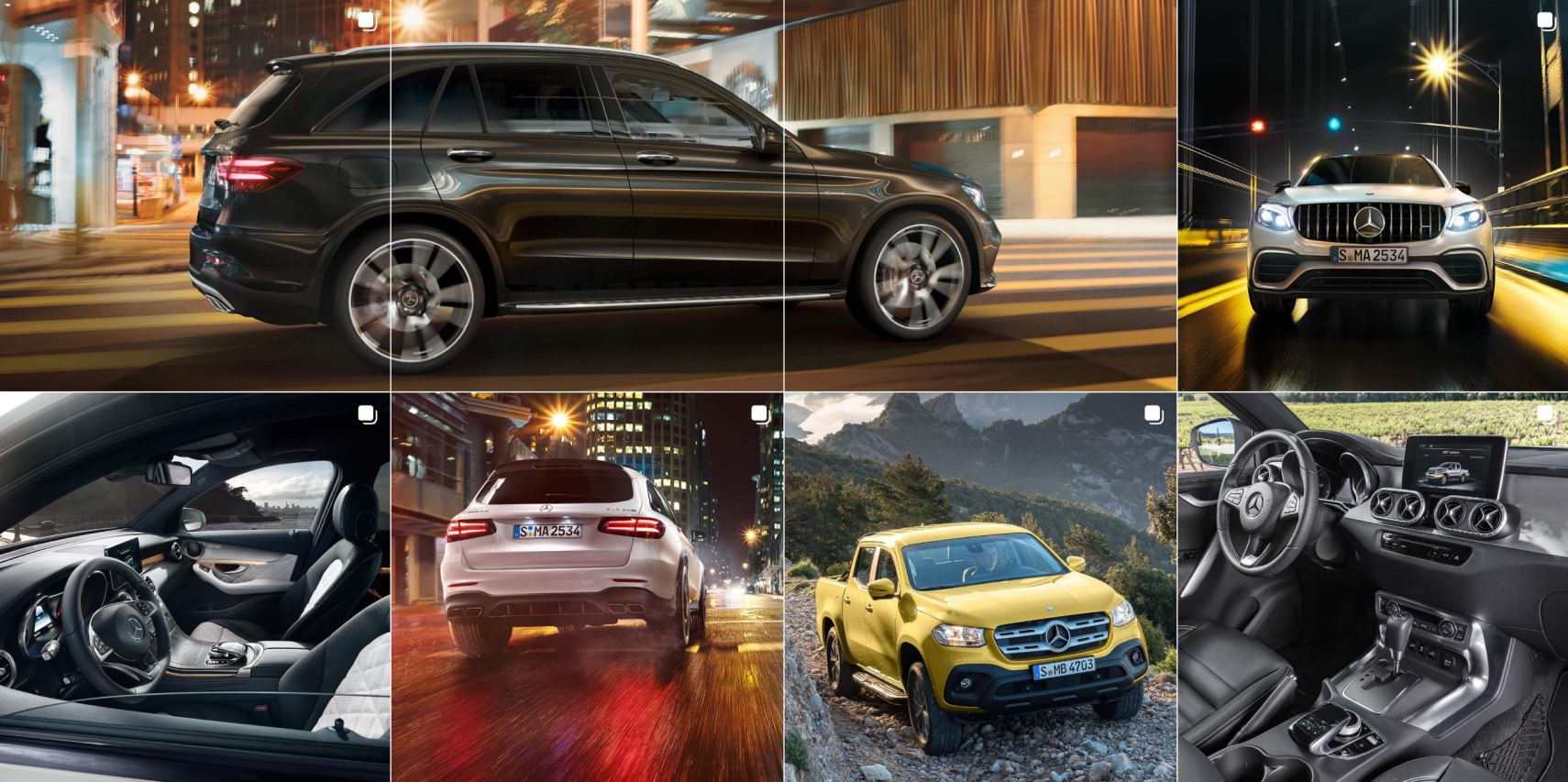
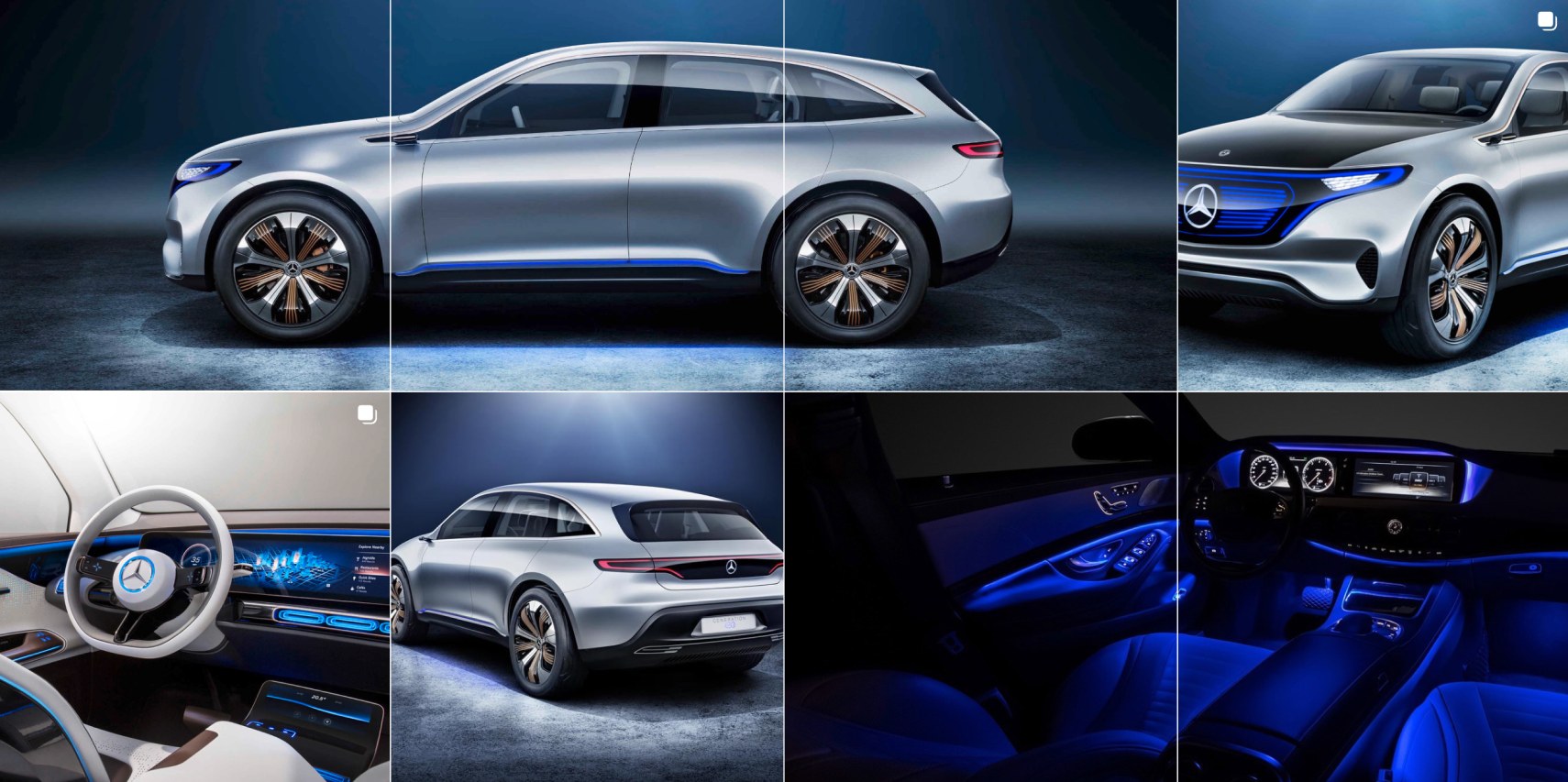
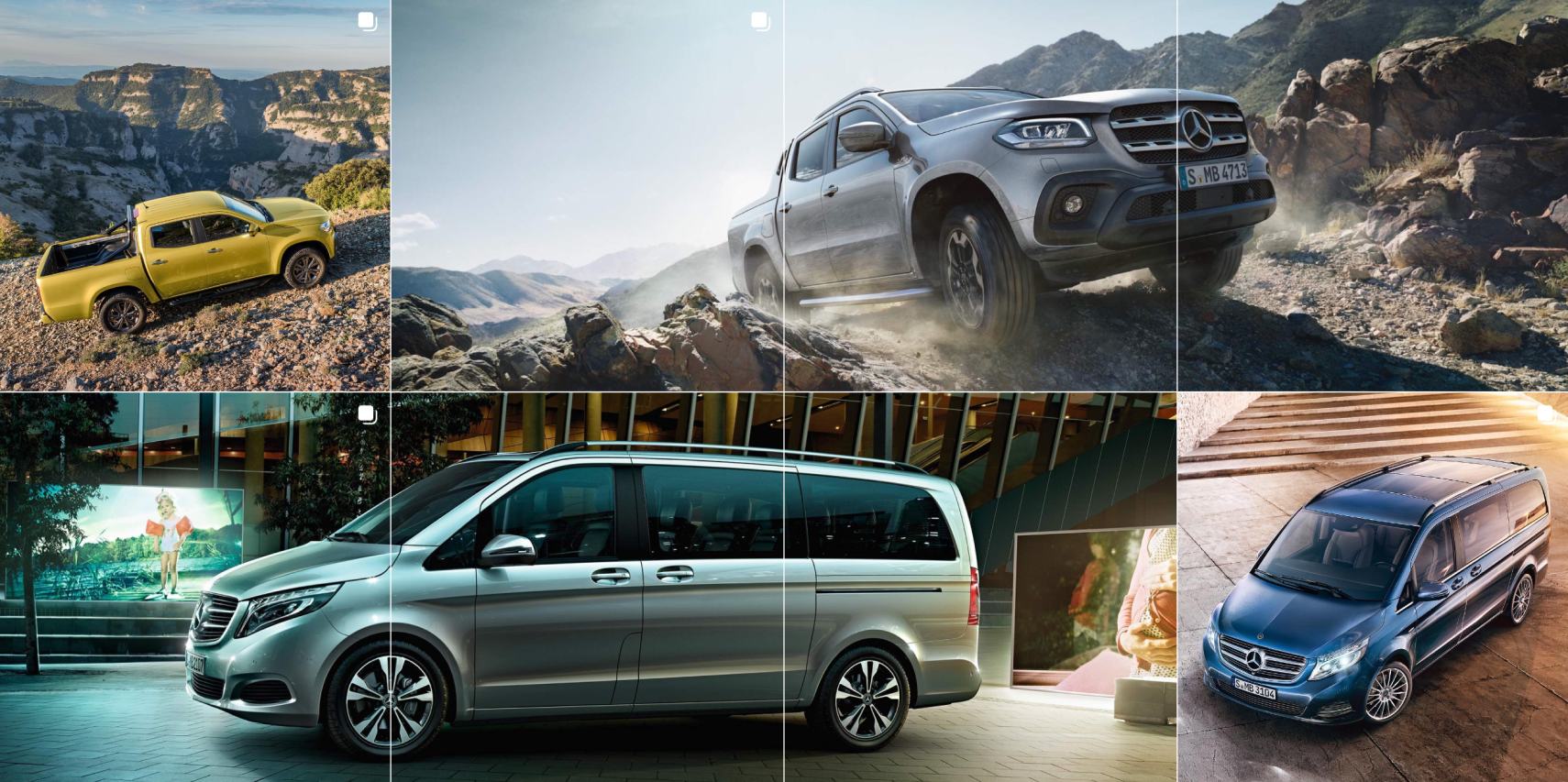
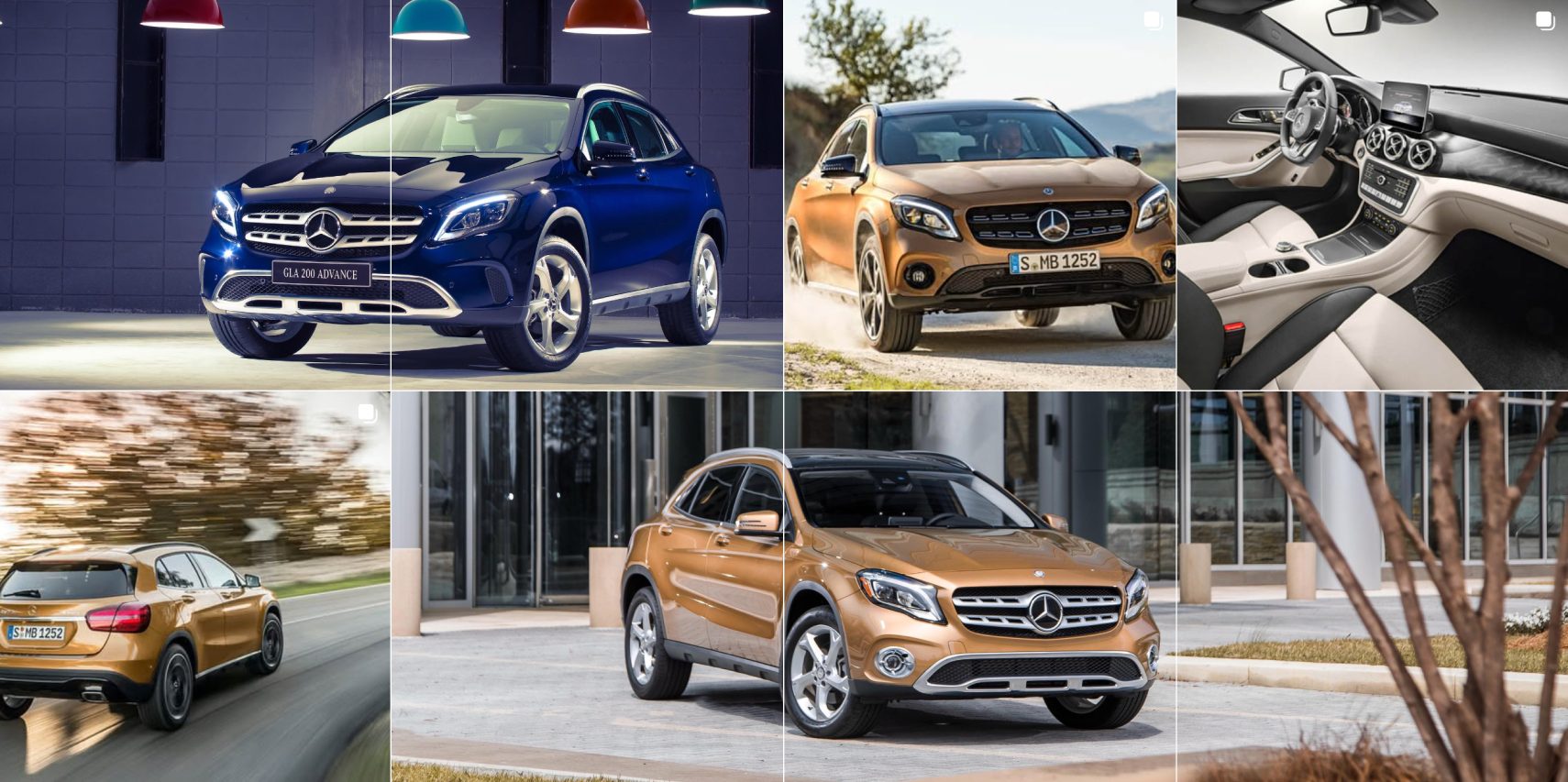
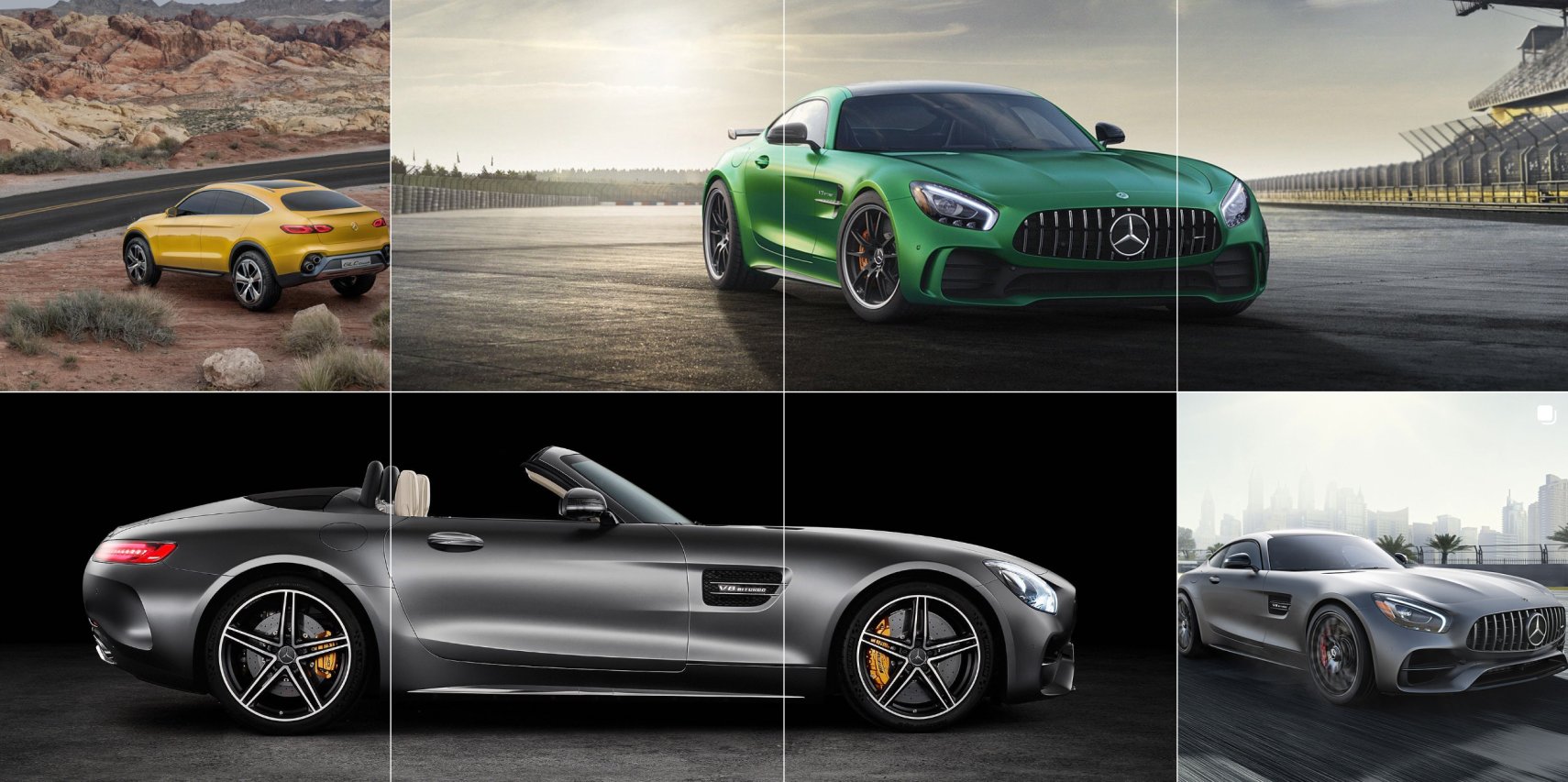
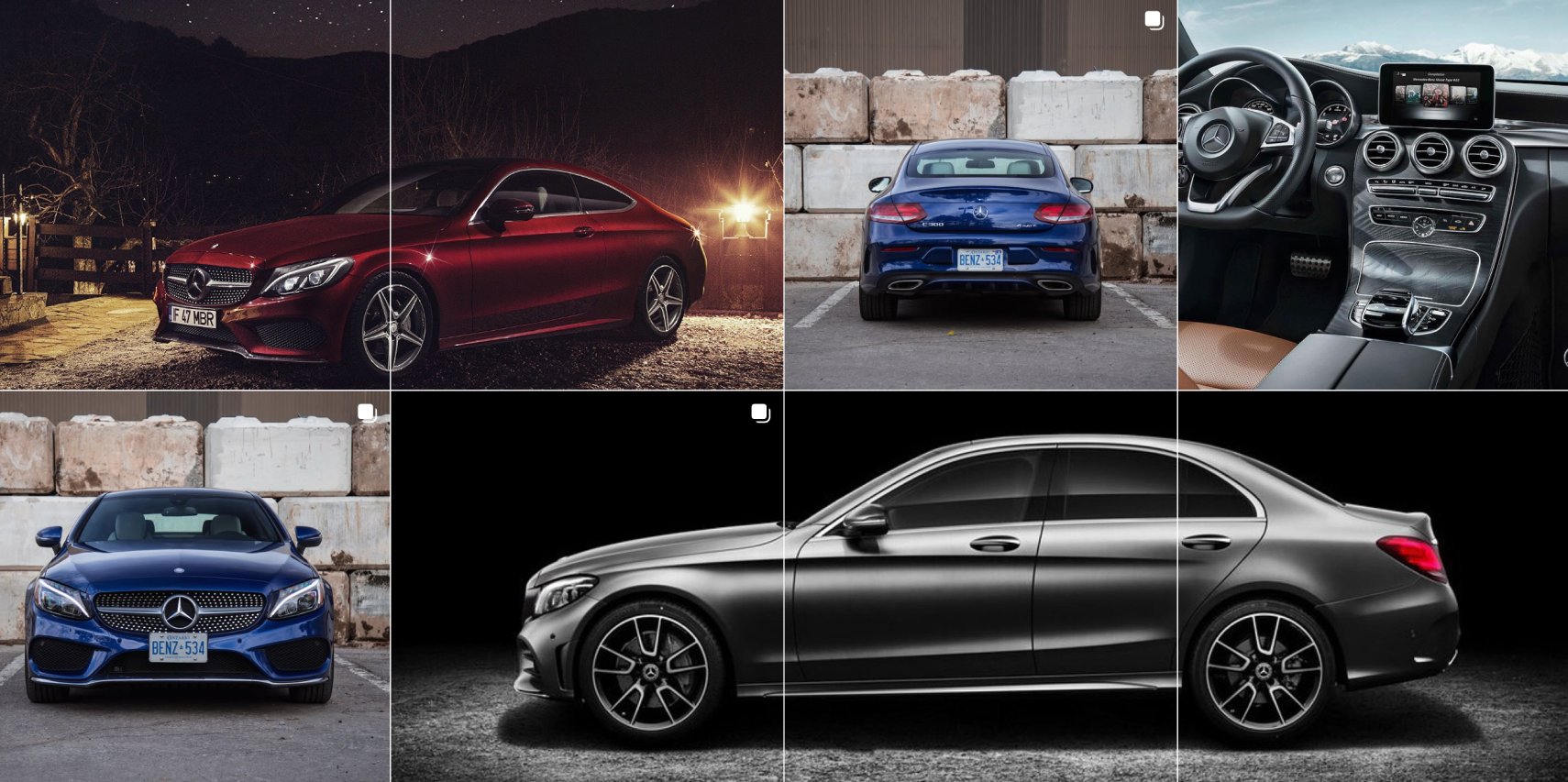
Our starting point was a simple observation: the value of a Mercedes-Benz cannot be communicated through photographs of cars in a showroom alone.
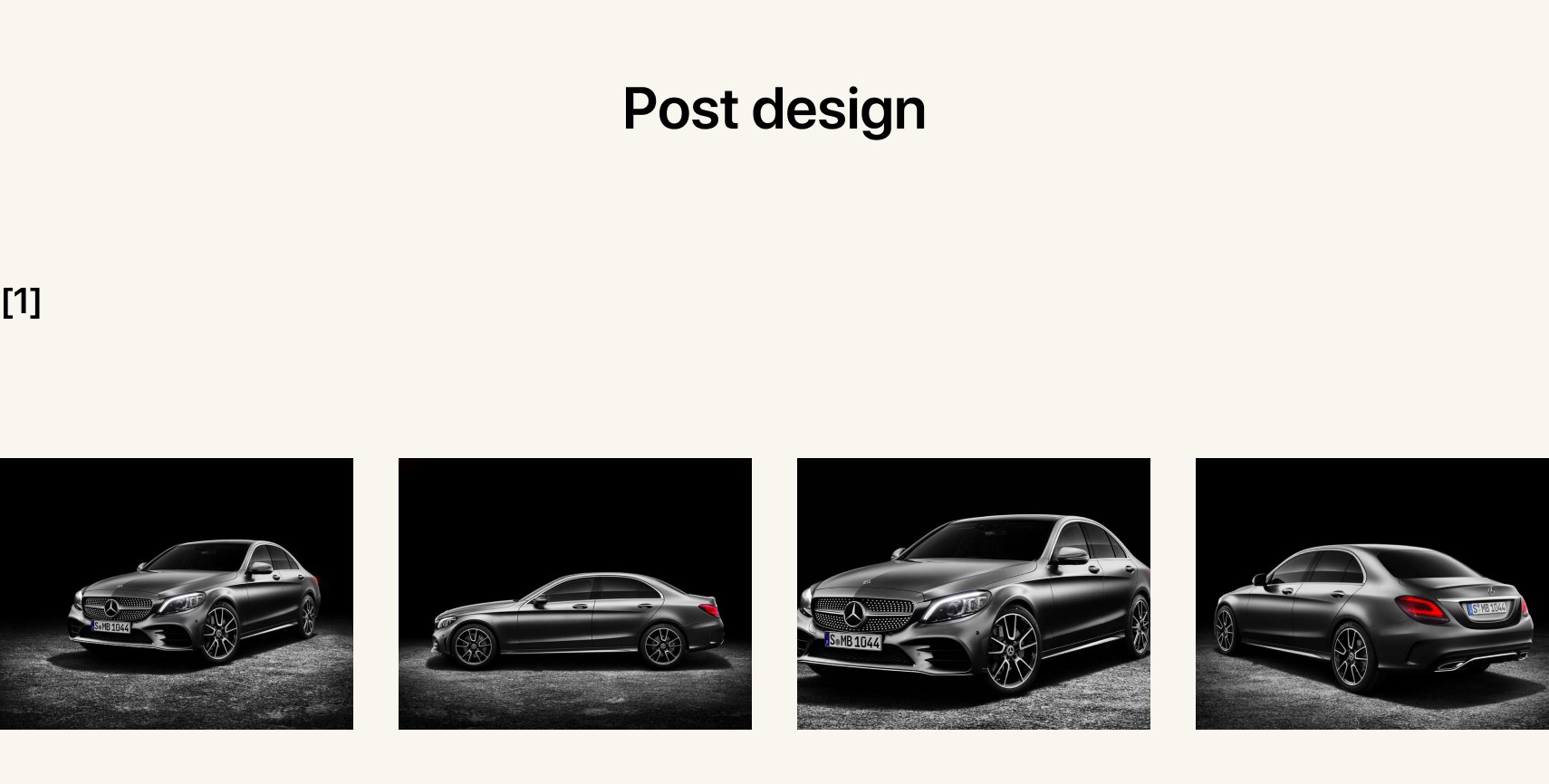
A newly arrived vehicle is relevant. A photograph of its exterior and interior can help a customer evaluate the product.
But what makes someone want that particular model in the first place?
Sometimes, it is the engineering. Sometimes, the design. Sometimes, the history of the model or the feeling associated with owning it.
And sometimes, it is the possibility of creating a car that feels entirely their own.
From Available Cars to Personal Aspirations
We wanted to build a content strategy that connected the world of Mercedes-Benz with the lives and ambitions of local customers.
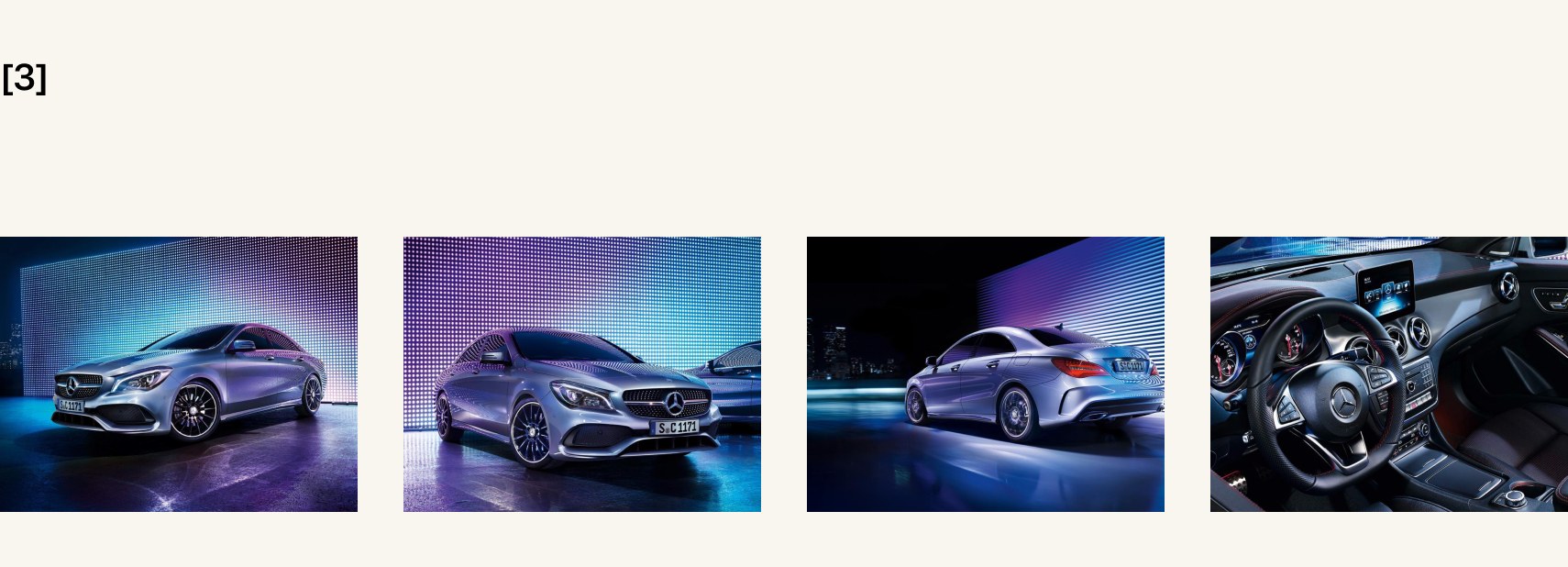
Consider the A-Class.
For an established luxury-car buyer, it might not be the obvious choice. For a younger person entering the world of premium automotive ownership, however, it could represent a significant personal milestone.
The story surrounding the vehicle mattered just as much as its specifications.
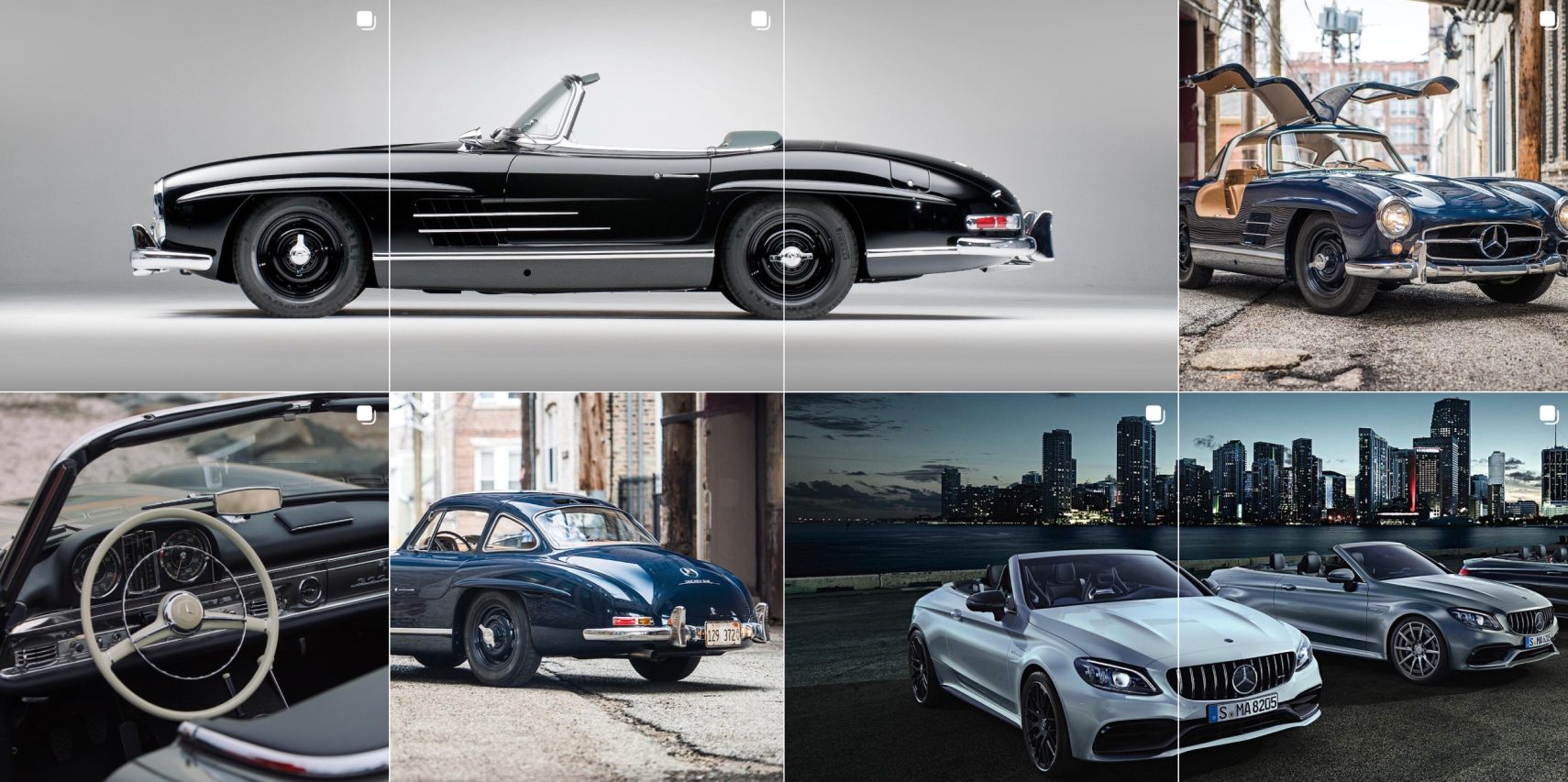
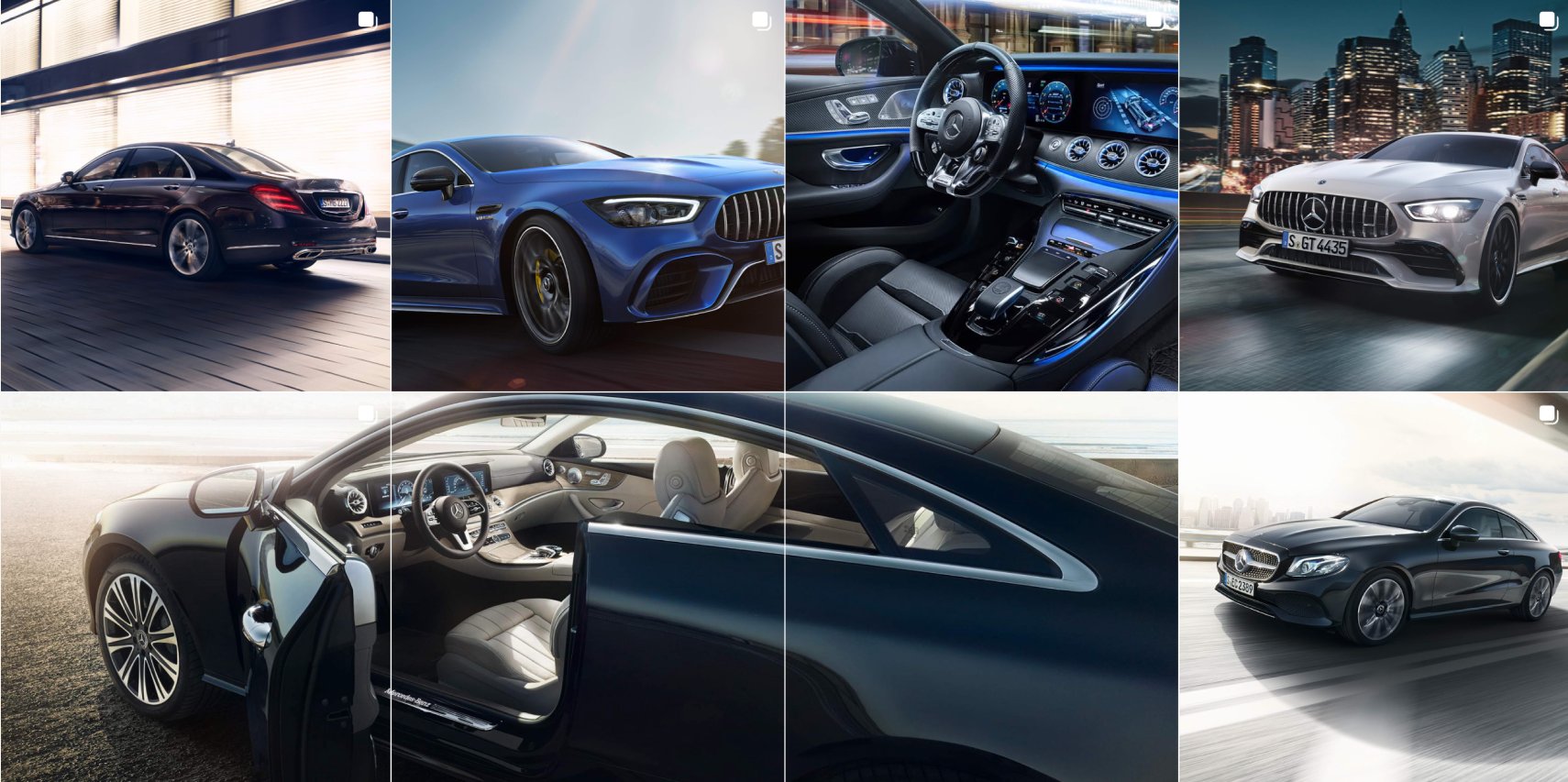
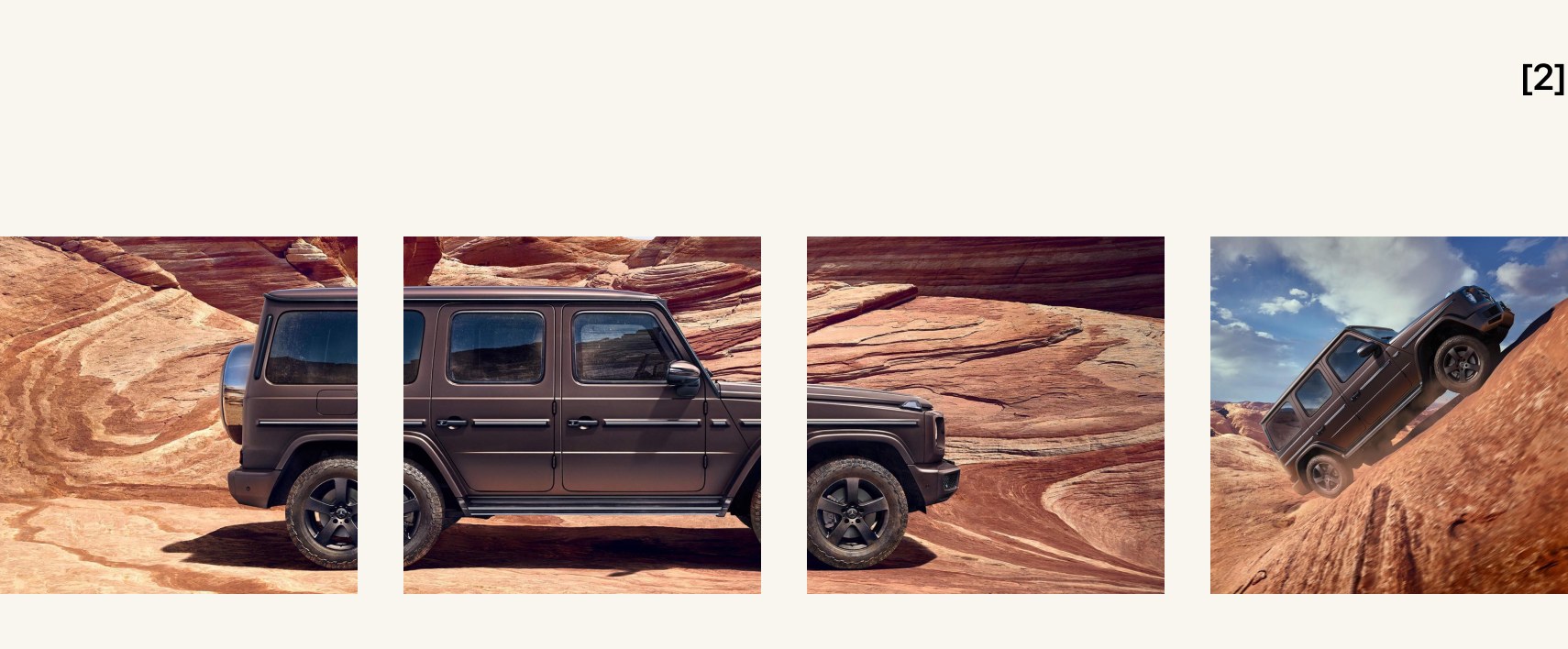
Mercedes-Benz’s global campaigns already understood this. Daimler produced sophisticated photography, video, and creative assets that presented vehicles within a broader cultural and emotional context.
Rather than recreating this material from scratch, we selected the strongest available assets and adapted them to the needs of the local market.
We connected global brand storytelling with model-specific content, dealership offers, automotive history, and topics relevant to Ukrainian customers.
The objective was not to imitate the global Mercedes-Benz account.
It was to make the global brand meaningful to a local audience.
Understanding What Customers Actually Wanted
We also believed that the dealership’s communication should reflect customer demand rather than simply showcase whichever vehicles happened to look best in the showroom.
A visually striking convertible might make an excellent photograph. But if local customers were looking for a different model, configuration, or body style, the dealership needed to understand that demand.
The same principle applied to customization.
Customers were not necessarily looking for any Mercedes-Benz. They might want a specific model, color, interior, engine, or equipment package.
Our role was to create content that helped customers explore the possibilities, understand the models, and connect their own aspirations with the dealership’s offering.
This did not mean that social media alone could determine inventory decisions. It meant treating customer interest as something worth understanding, not merely something to react to after a vehicle had arrived.
We wanted the dealership to communicate not only what was available, but also what customers wanted to drive.