Brand Identity Portfolio: Logo and Brand Book Examples
This brand identity portfolio collects logos, visual identities and brand books created by the PERETZ design studio. It includes Spanish jewelry houses, a bedding manufacturer moving into consumer retail, medical and consulting brands, and an architecture studio. Each case shows the starting point and the identity we built from it.
Brand identity

Brand identity


MDC-LUX Brand Identity
Brand identity


Nico Juliany Brand Identity
Brand identity


Logofolio
Brand identity


Trichology Institute Logo
Brand identity


SHTAYER Brand Identity
Brand identity


Lado
Brand identity


Medpresso
Brand identity
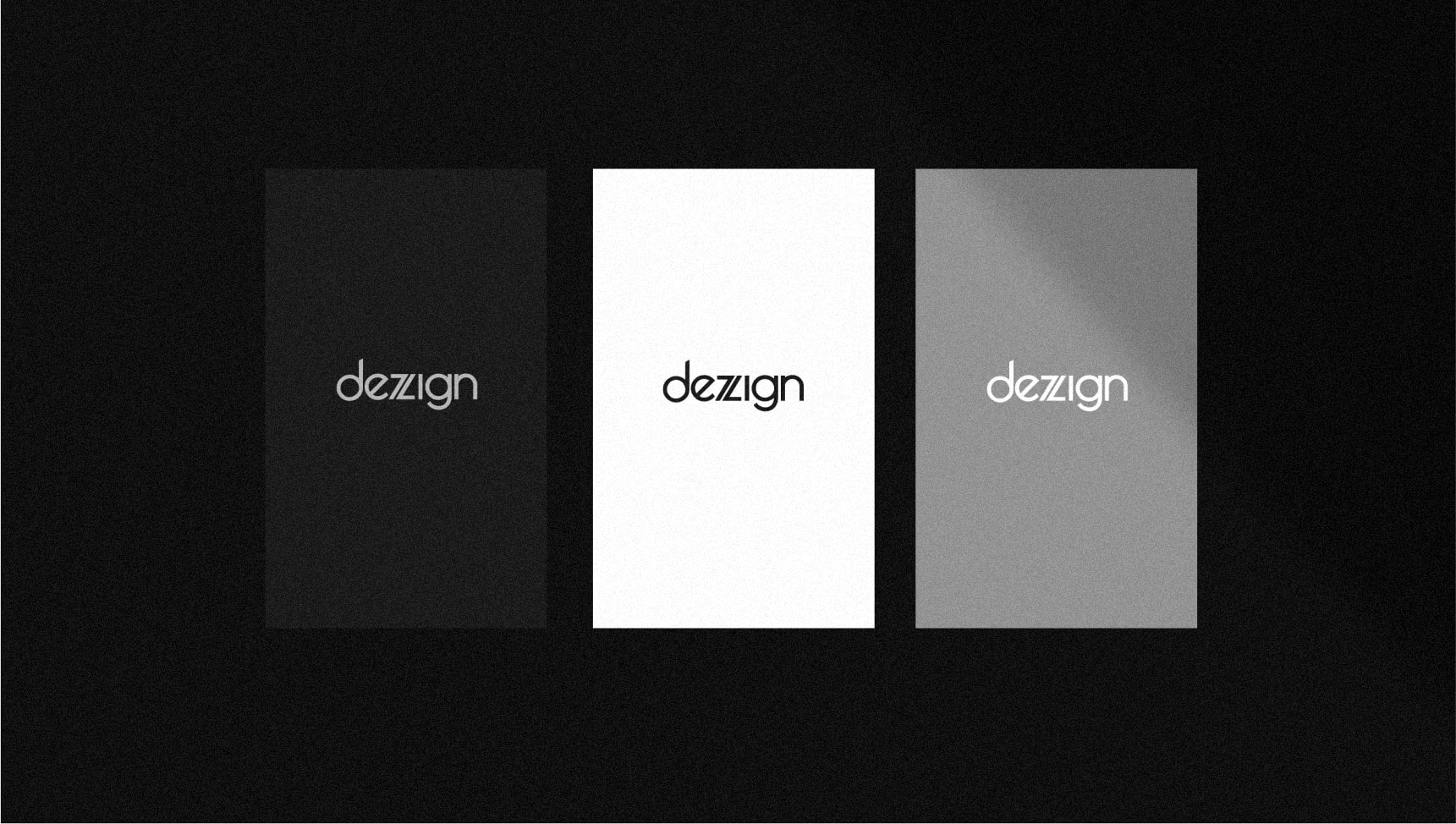
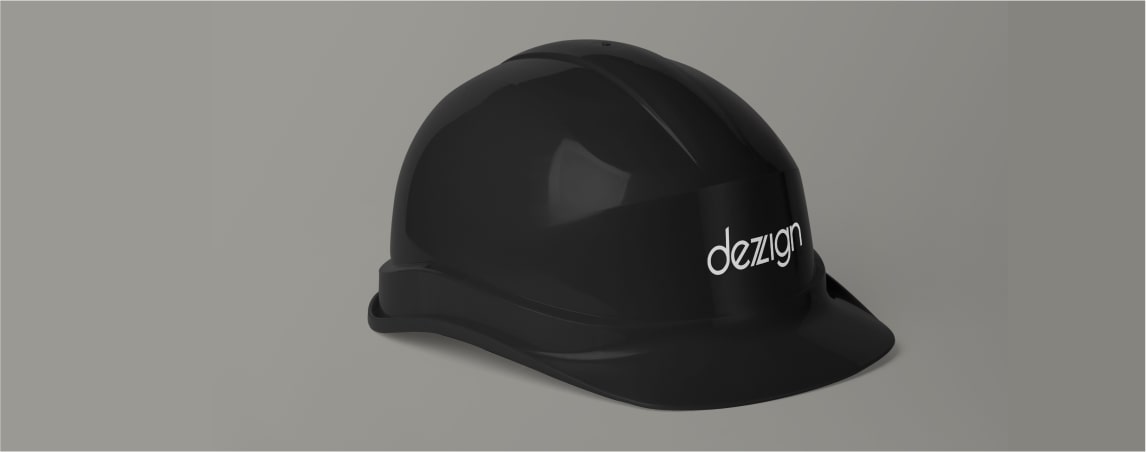
Dezzign Brand Identity
Brand identity
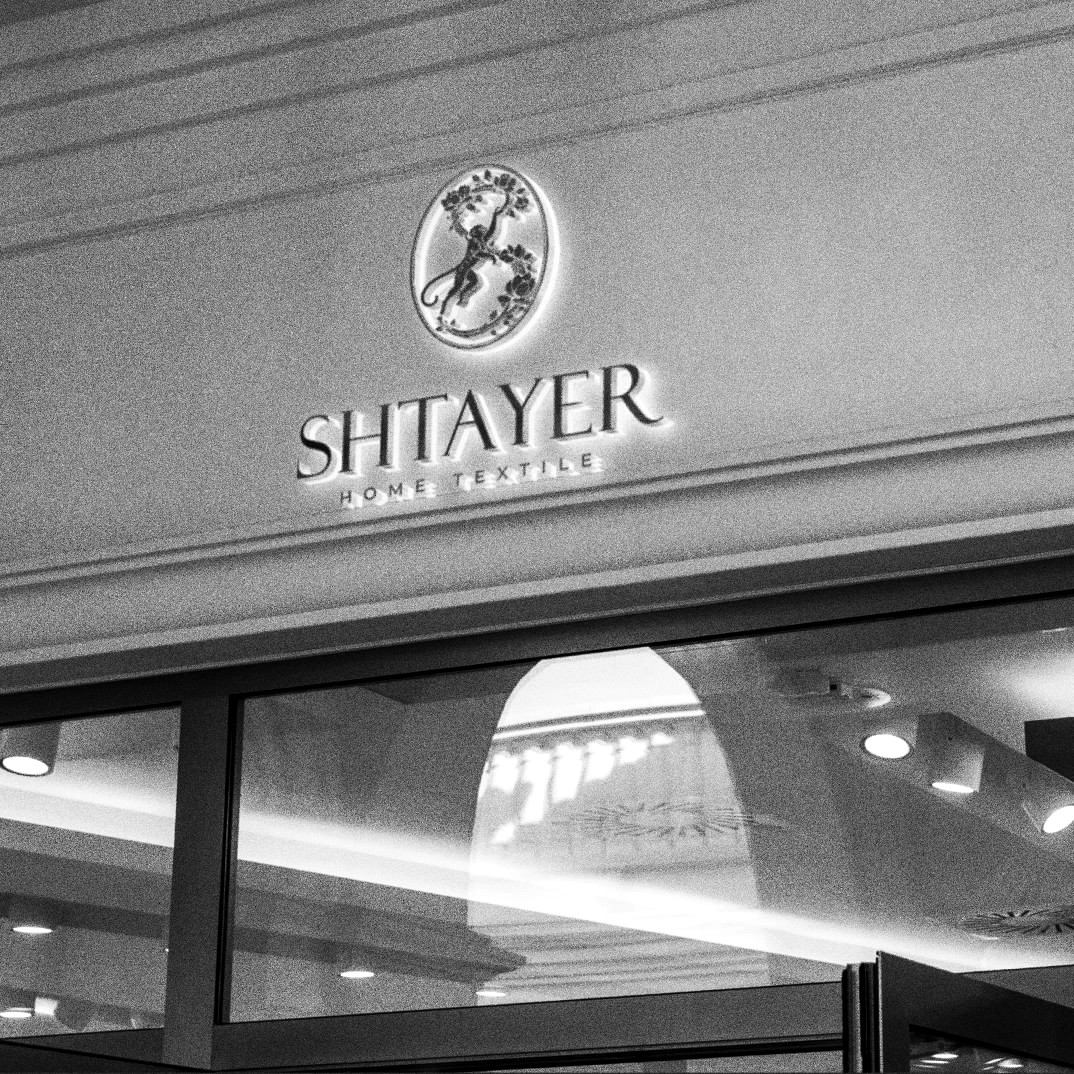
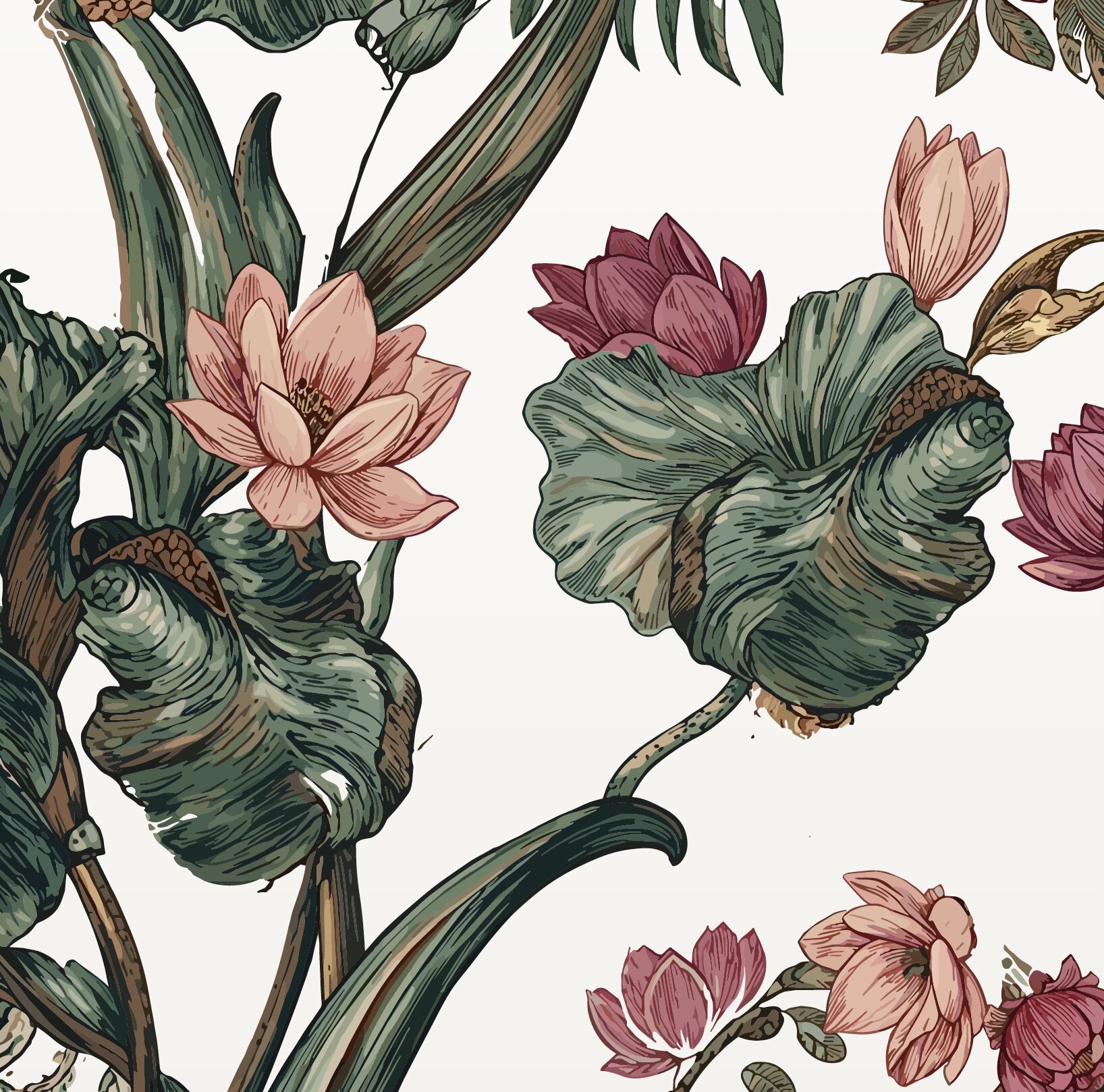
SHTAYER Brand Identity 2026
Brand identity
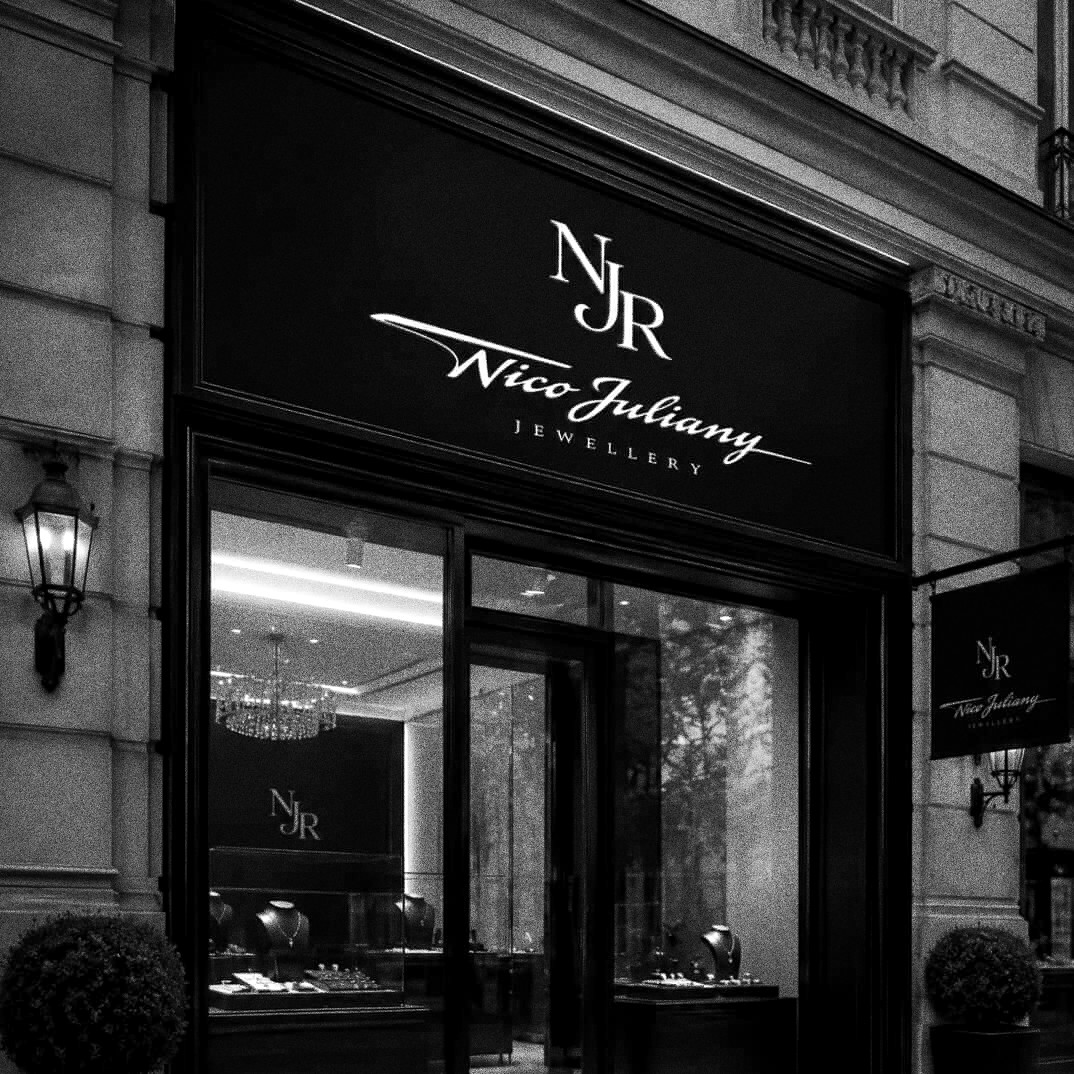
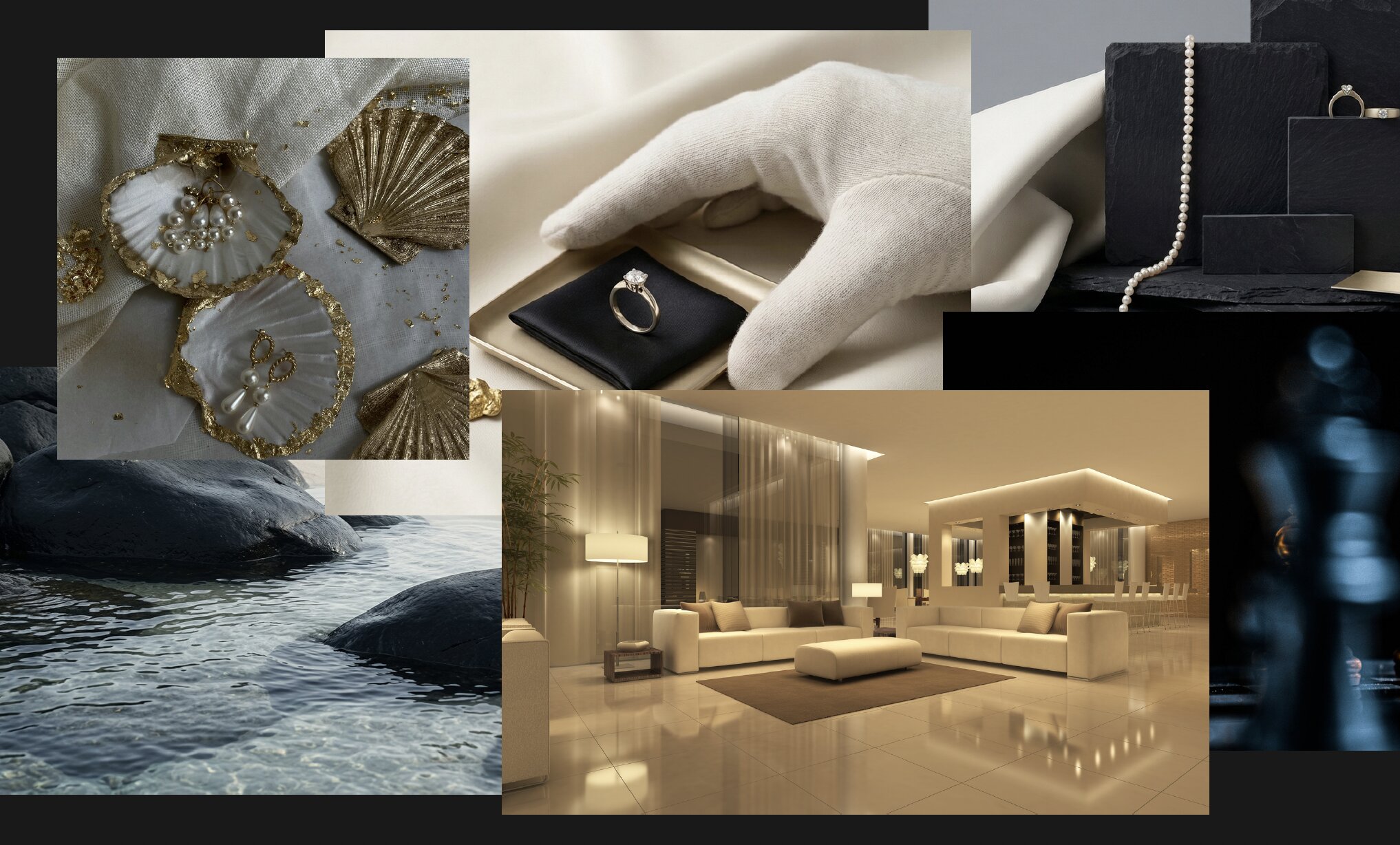
Nico Juliany Brand Identity 2026
Brand identity
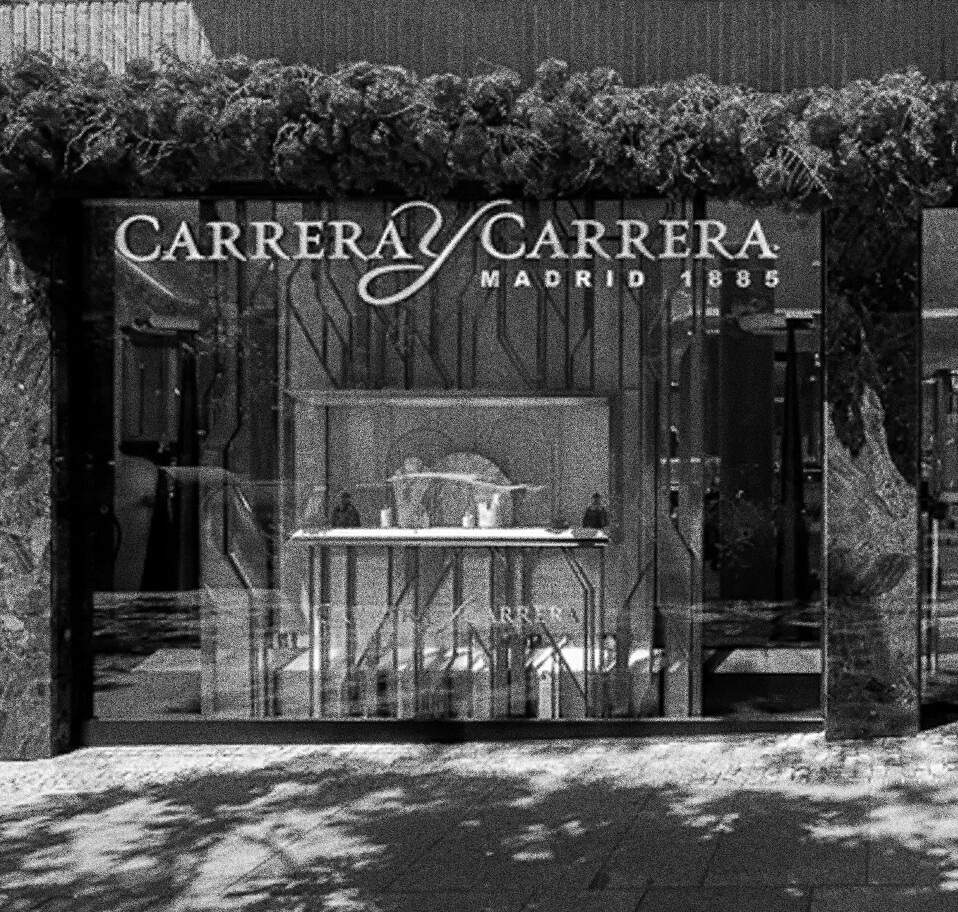
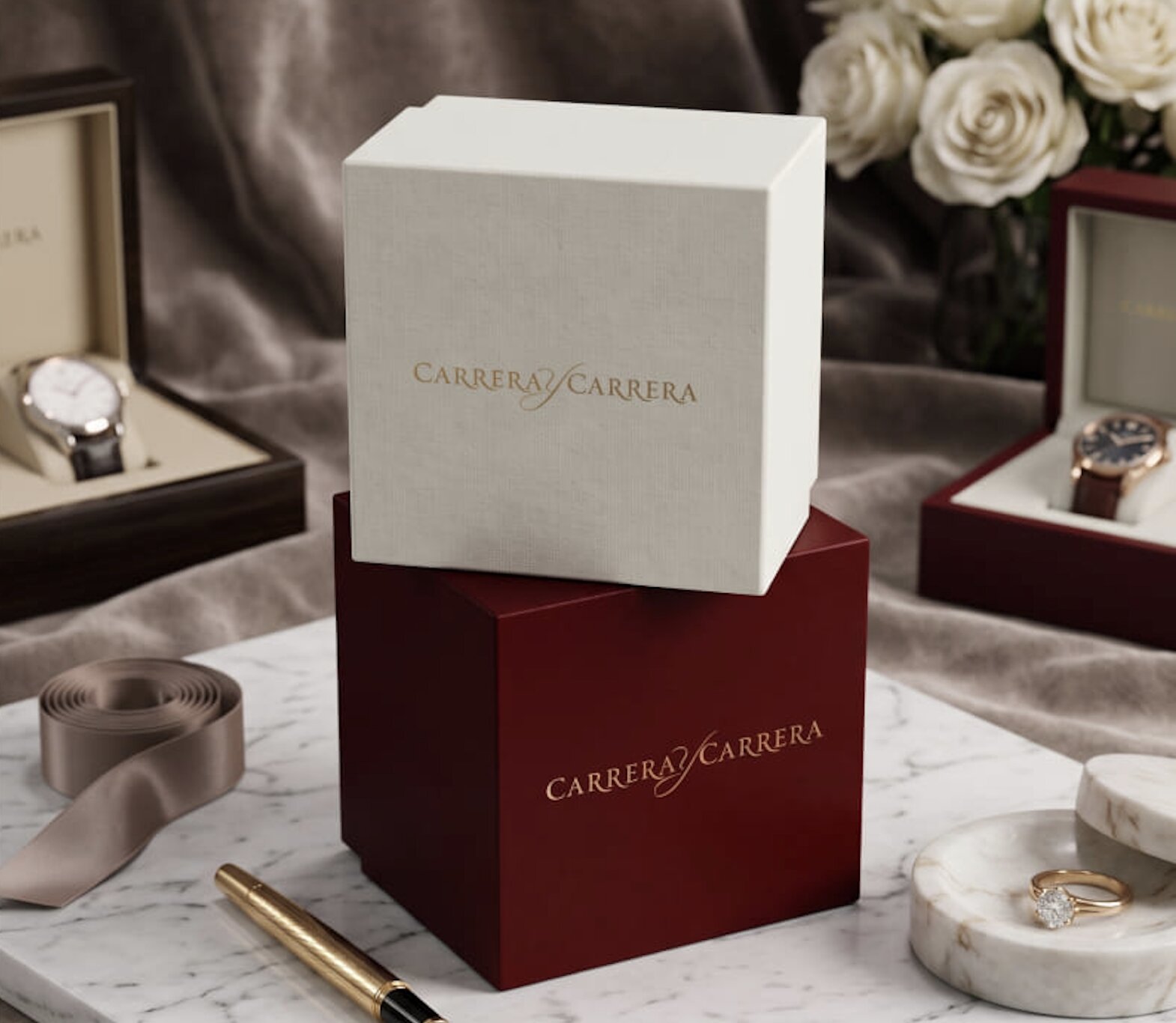
Carrera y Carrera Brand Book
What we solve in identity projects
Companies usually come to us at a turning point: a new business before launch, a manufacturer stepping out of B2B, or an established house whose identity no longer works in digital channels. The task is the same each time: a visual system that is recognizable, consistent and practical for everyday use.
- A logo or monogram that works at any size, from a browser tab icon to signage.
- Typography, color and graphic elements that give the brand its own character.
- A brand book with clear rules, so the team, printers and contractors apply the identity the same way.
- Digital use from day one: the identity has to hold up equally well on a website, in social media, in presentations and in print.
Brand identity case studies
- SHTAYER: a trusted hotel bedding manufacturer became a modern consumer brand through a complete visual identity redesign. In the SHTAYER 2026 brand book the brand moved from quiet minimalism to its own character and story, told through Chinoiserie, magnolias and the people behind it.
- Nico Juliany 2026: a two-character identity for a Spanish jewelry house, with a precise NJR monogram and a living pen stroke. It builds on the first Nico Juliany identity we created earlier.
- Carrera y Carrera: a contemporary visual identity for the historic Spanish jewelry house, built for heritage and digital communication alike.
- deZZign: brand identity for an architecture studio.
- MDC-LUX and Medpresso: identities for a medical center and a healthcare brand.
- Lado: a visual identity for a consulting business, created for the CEO of Laduchi Consulting.
- Institute of Trichology: a logo for a long-term partner whose work with us spans digital, brand and architecture.
- U KNOW Store: brand identity for a fashion retail brand.
For a quick look at marks across industries, see the Logofolio, a selection of logos designed in our studio.
How an identity project runs
We start with a brief or a strategic session ($500, credited toward the project): audience, competitors, and where the brand will live. Then come concepts, one direction refined in detail, and a brand book with the source files. Approvals and files sit in the client portal set up for every project. When a website follows, the same team designs it, so the identity carries over without being reinterpreted. Our team has 20 years of experience and 127 delivered projects in 12 countries, and PERETZ is led from the Seattle area.
Next step
If you are a Seattle-area business looking for a new or refreshed identity, scope and deliverables are on our brand identity service page. If a website comes next, see website design.
FAQ
What does a brand identity include?
At minimum a logo, a color palette, typography and the rules for using them. Most projects also include graphic elements, templates for documents and social media, and a brand book that collects everything in one place.
What is the difference between a logo and a brand identity?
A logo is one sign. A brand identity is the whole system around it: colors, type, imagery, layouts and tone. In the Logofolio you see marks on their own; in the SHTAYER or Nico Juliany cases you see complete systems.
Can you refresh an existing identity instead of starting over?
Yes. The SHTAYER and Nico Juliany 2026 brand books both evolve identities that already existed. We keep what customers already recognize and rework what holds the brand back.