A strategic session looks at the business as a whole and where it should go; an MVP review assesses a first version that already exists. Discovery prepares one specific product for development, so that the price, the deadline and the team rest on documents you can check, not on a short brief.
Discovery Phase
You have an idea for a new product, an internal system or a large site, and the quotes you got are far apart, because each team is pricing its own guess about the scope. The Discovery Phase replaces guesses with a plan: in 2 to 4 weeks we work out what the product must do, for whom, how it will be built and what it will really cost.
From $4,000
9Years in the market
50+Team & partners
127Projects delivered
12Countries
Up to 700%Revenue growth
48hProject start
What the work covers
-
01.
Goals and users
What the product must achieve, who will use it and which tasks matter most. We agree on what counts as success for the first release.
-
02.
Requirements
Roles, permissions, data, reports, speed and security, written in plain language. What stays out of scope is written down too.
-
03.
User flows and prototype
The key journeys as flows, then a clickable prototype of the main screens, so you can test the product before a line of code is written.
-
04.
Architecture and stack
How the system is structured, where the data lives and which technologies fit the task and long-term support, with the reasons for each choice.
-
05.
Integrations and risks
Payments, CRM, ERP, accounting, logistics and other systems the product must talk to, checked against their real documentation. Risks are listed with ways to reduce them.
-
06.
Backlog and estimate
A prioritized backlog, a budget and timeline for each stage, and a team plan: which roles are needed and for how long.
Selected Work
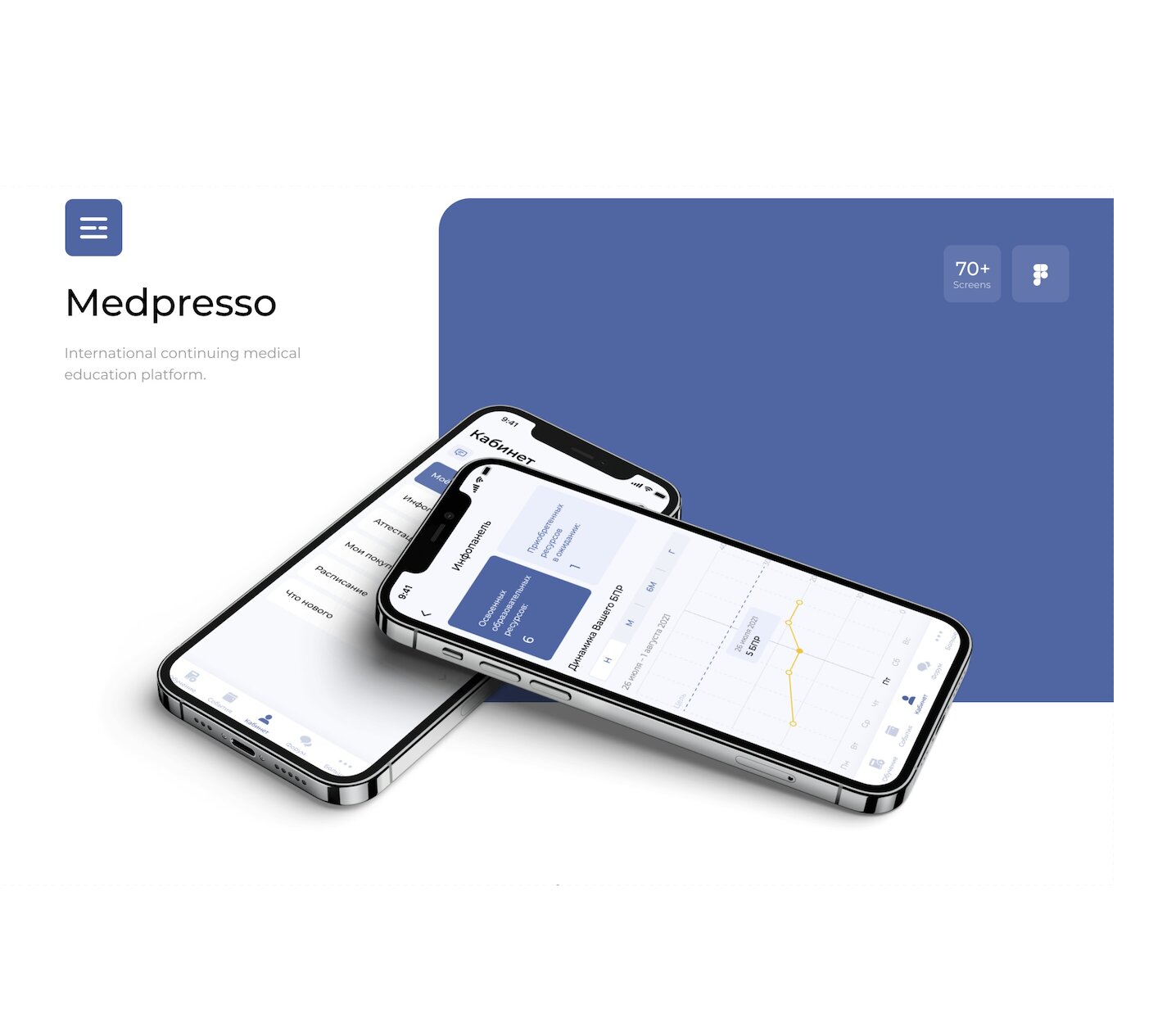
Projects that began with research, strategic sessions and architecture before the first screen was designed.

How it works
01
04
01
04
A first call
You tell us about the product and what already exists: notes, mockups, old systems. We agree on the scope and fix the price before any work starts.
02
04
02
04
Interviews and research
We talk to you, your team and, where it makes sense, future users, and study the processes and systems involved.
03
04
03
04
Design and architecture
A business analyst writes the requirements, a designer builds the flows and the prototype, and an architect chooses the structure and the stack. You review the work every week, so there are no surprises at the end.
04
04
04
04
Estimate and handover
We present the backlog, the estimate and the team plan on a call and hand over all the files.
What you get
The documents belong to you and are written so that any team can work from them. You can continue with us in MVP development, a web application or a dedicated team, or give the package to another vendor and compare quotes on equal terms.

A requirements document with what is in and out of the first release.
User flows and a clickable prototype of the key screens.
An architecture description with the chosen stack and the reasons for it.
A map of integrations and a register of risks.
A prioritized backlog with a budget and timeline estimate for every stage.
A team plan: roles, seniority and duration.

Get a cost and timeline estimate
Pricing
From $4,000
The final price depends on the size of the product, the number of user roles and how many integrations have to be studied. The price is fixed before discovery starts.
The price includes the interviews, all documents, the prototype, the estimate and the final call. Development itself is not included; it is priced separately, based on what discovery shows.
All prices →Ask a question
Leave your contacts and we will contact you at a convenient time.
FAQ
How long does discovery take?
Usually 2 to 4 weeks. It depends mostly on the number of integrations and on how quickly the people we need are available.
Why pay for discovery when estimates are free?
A free estimate is based on a short brief, so the team either adds a large safety margin or meets the real scope halfway through the project. Discovery gives the price and the deadline something solid to stand on.
Do we have to build the product with you afterwards?
No. The documents are yours and written for any team, so you can compare vendors on the same scope.
How is this different from a strategic session or an MVP review?
A strategic session looks at the whole business and its direction. An MVP review assesses a first version that already exists. Discovery prepares one specific new product for development.
What do you need from us?
A person who can make decisions, a few hours a week for interviews and reviews, and access to existing materials and systems.
What if discovery shows the product should not be built as planned?
Then you learn it for the price of discovery, not of development. We explain what to change: a smaller first release, a different order of features or an existing tool instead of custom code.
We already have a technical specification. Do we still need discovery?
Not always. We treat any specification as a starting point rather than the answer, because it describes someone's current understanding of what should be built, not how the business actually works. If it already covers roles, data, integrations and what is out of scope, MVP development can start from it directly. If it prescribes a technology or a list of features without the reasons behind them, discovery checks those reasons first, and sometimes we send two proposals: one that follows the specification and one that challenges it.
Will the estimate after discovery become a fixed price for development?
The backlog gives a budget and a timeline for every stage. For most projects we then fix the price for the agreed scope, so you know the total before development begins; large products are split into stages, and each stage gets its own estimate. If the scope changes later, we discuss the change and agree on it before doing the work, not after.
Who works on discovery on your side, and in which language?
A business analyst writes the requirements, a designer builds the user flows and the prototype, and an architect chooses the structure and the stack. You review their work every week. The founder, Yevhen Borovoi, joins every engagement at the strategic session and can step into any project to review it. Interviews and reviews run by video call in English, Russian or Ukrainian.
Is the clickable prototype a working first version of the product?
No. The prototype shows the key screens and journeys, so that you and future users can walk through the product and find gaps before code is written. There is no database, payment or integration behind it. A first version that real users can sign up for and pay through is built in MVP development, from $20,000, and it starts from the requirements and the prototype that discovery produced.
Does discovery work for an internal system, not only for a product for customers?
Yes. The phase is built for new products, internal systems and large sites alike. With an internal system the observation matters even more: we look at how orders, requests or reports actually move today, including the spreadsheets and chats next to the official tools, because those workarounds show what the new system has to handle. Your CRM, ERP or accounting is checked against its documentation, and you receive the same package: requirements, flows, a prototype, an architecture, a risk register and an estimate by stages.
Related Reading
-
28. 10. 2026
An AI Project Stuck on a Legacy System? Upgrade First, Then Automate

-
21. 10. 2026
The Columbo Method: How to Find What's Actually Wrong With a Business
-
12. 09. 2026
Product Discovery: What Should You Know Before You Start Designing?
-
12. 09. 2026
Product Design vs UX/UI: Where Does a Digital Product Actually Begin?
-
19. 08. 2026
Architecting the MVP: What Marketing Owes a Product Before Launch
-
24. 07. 2026
What If You're Solving the Wrong Problem?