


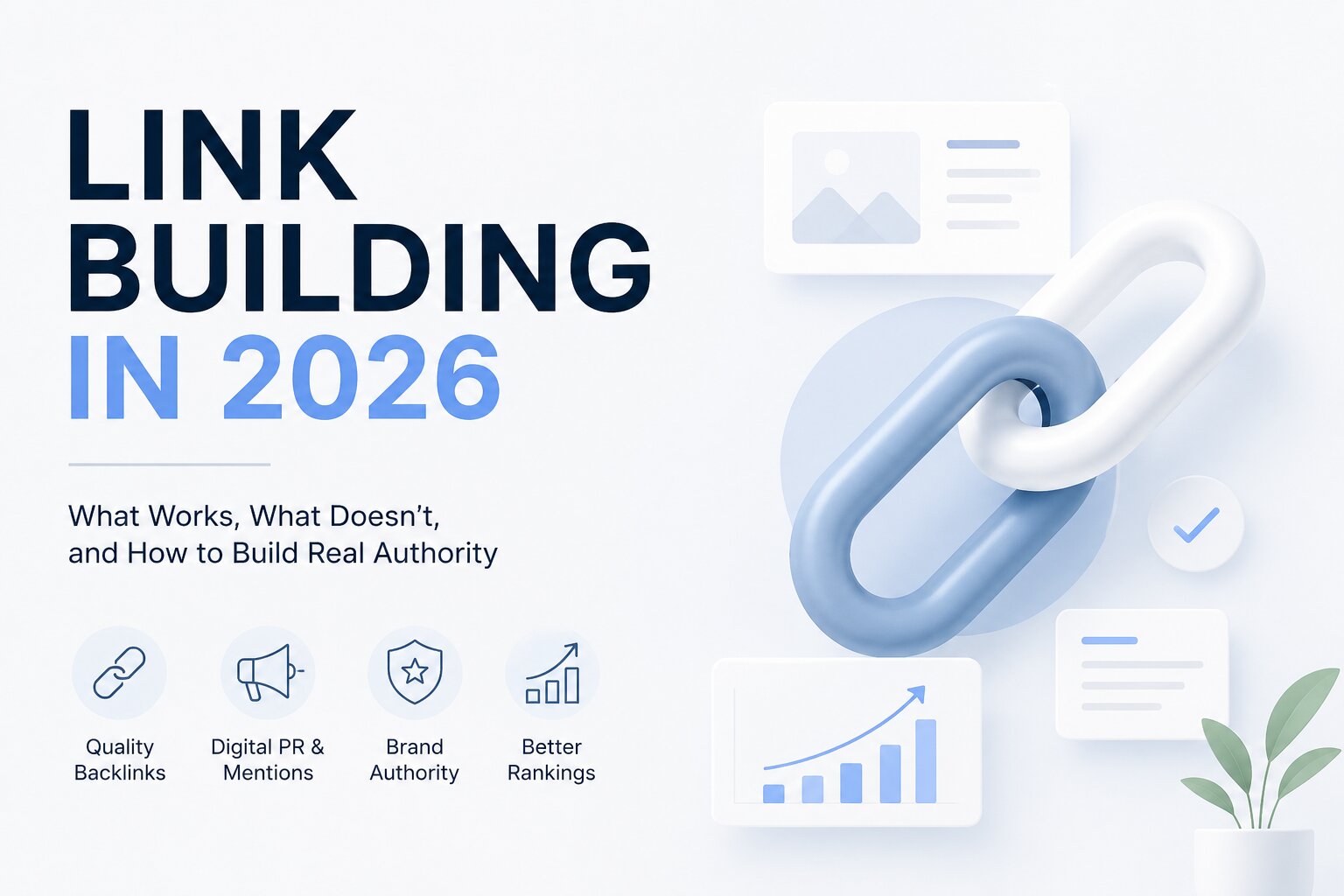
Search engine optimization has changed dramatically over the last decade. AI-generated content is everywhere, search engines have become more sophisticated, AI-powered search platforms are changing how users discover information. Yet despite all these changes, one thing remains true: authority matters, and one of the strongest signals of authority is still a high-quality backlink.
However, the way businesses earn links today looks very different from what worked five or even three years ago. Mass outreach campaigns, low-quality guest posts, private blog networks, and directory spam are becoming increasingly ineffective. In 2026, successful link building is no longer about collecting as many links as possible, it's about earning trust, building relationships, and establishing your brand as a credible source within your industry.
WHAT IS LINK BUILDING
What Is Link Building?
Link building is the process of acquiring hyperlinks from other websites to your own. When a reputable website links to your content, search engines view it as a signal of trust and relevance, helping them understand which websites deserve visibility for specific topics and keywords.
Think of backlinks as recommendations. If multiple respected websites reference your business, products, services, or expertise, Google is more likely to consider your content valuable. This principle remains fundamental to search engine rankings. While Google evaluates hundreds of ranking factors, backlinks continue to play a major role in determining domain authority, trustworthiness, and competitive positioning. The difference is that quality now matters far more than quantity.
WHY IT STILL MATTERS
Why Link Building Still Matters in 2026
Every few years, marketers claim that link building is dead. The reality is different. Google's algorithms have evolved significantly, but external authority signals remain essential. Backlinks help search engines understand website credibility, identify industry authority, evaluate content relevance, discover new pages, and compare competitors within the same niche.
For competitive industries, strong content alone is rarely enough. A well-written article with no authority signals often struggles against content supported by strong backlinks and brand recognition. At the same time, link building now influences more than traditional search rankings, modern AI-powered search systems increasingly rely on signals of authority when generating responses and recommendations. The stronger your digital footprint becomes, the more likely your brand is to be recognized across multiple search environments.
The goal is no longer to build a backlink profile. The goal is to build authority. Links are simply one result of that process.
HOW IT HAS CHANGED
How Link Building Has Changed
Five years ago, many businesses focused almost entirely on acquiring as many backlinks as possible. Today, search engines evaluate links much differently.
| Then | Now |
|---|---|
| Quantity | Quality |
| Generic Outreach | Personalized Outreach |
| Guest Post Farms | Digital PR |
| Domain Rating Obsession | Topical Relevance |
| Link Acquisition | Brand Authority |
| SEO Only | SEO + AI Visibility |
DIGITAL PR AND EXPERT POSITIONING
What Works in 2026: Digital PR and Expert Positioning
Digital PR has become one of the most effective link building strategies available. Instead of asking websites for links, businesses create content worth referencing: original research, industry surveys, market reports, case studies, data-driven articles, expert commentary. Journalists, bloggers, and publishers constantly need reliable sources, and when a company produces valuable information, links become a natural byproduct of visibility. A single feature in a respected publication can often provide more value than dozens of low-quality backlinks.
Expert positioning works the same way from a different angle. Businesses that position themselves as experts attract links naturally, through interviews, podcast appearances, guest contributions, expert roundups, commentary for journalists, and educational resources. The most successful brands are no longer focused exclusively on SEO, they focus on becoming recognizable authorities in their space, and as a result, links follow naturally.
OUTREACH AND RESOURCE PAGES
Personalized Outreach and Resource Page Outreach
Outreach still works. Bad outreach does not. Many companies continue sending hundreds of generic emails every week, and most are ignored. Successful outreach in 2026 focuses on relevance and relationship building, before reaching out, businesses should understand the website's audience, the editor's interests, existing content gaps, and mutual value opportunities. The goal is not to request a backlink. The goal is to create a meaningful reason for collaboration.
Resource pages remain highly effective when approached correctly. Many organizations maintain curated collections of useful tools, guides, and educational resources, and if your content genuinely helps their audience, these pages can become excellent opportunities for earning relevant links. The key is quality, resource page outreach works best when promoting content that solves specific problems or provides unique value.
BROKEN LINKS AND LINKABLE ASSETS
Broken Link Building and Linkable Assets
Broken link building remains surprisingly effective. The strategy involves identifying outdated or broken references on websites and offering your content as a replacement, website owners appreciate the help because it improves user experience, and businesses benefit by earning relevant backlinks. This method requires research and patience, but it can generate strong results in industries with large content libraries.
The best links are often earned, not requested, which is where linkable assets become important: industry reports, statistics pages, calculators, templates, interactive tools, original research, comprehensive guides. When content becomes genuinely useful, people reference it naturally, and these assets can continue earning links for years after publication.
WHAT NO LONGER WORKS
What No Longer Works
Many outdated tactics continue to circulate despite producing little value. Mass email campaigns sending the same outreach template to hundreds of websites rarely work, editors receive dozens of similar requests every day, and personalization is no longer optional. Low-quality guest posting is dead, though guest posting itself is not, publishing thin content on irrelevant websites solely for backlinks provides little long-term value. Private blog networks may still generate short-term gains, but they create significant risk for businesses focused on sustainable growth. Link exchanges, direct "I'll link to you if you link to me" arrangements, are easy for search engines to identify, natural editorial links remain far more valuable. And directory spam, submitting websites to hundreds of low-quality directories, offers little benefit today, most directories provide no meaningful authority and rarely generate qualified traffic.
HOW AI IS CHANGING THIS
How AI Is Changing Link Building
One of the biggest shifts in 2026 is the growing influence of AI-powered search. Traditional search engines are no longer the only way people find information, users increasingly rely on AI tools to research products, compare services, learn new topics, discover businesses, and make purchasing decisions. As a result, link building now supports more than search rankings, it contributes to overall digital authority. When reputable sources consistently mention your brand, those signals help establish credibility across the web, and AI systems often look for patterns of expertise, trust, and authority. Businesses with strong industry recognition are more likely to benefit from these evolving search experiences.
BACKLINKS VS BRAND MENTIONS
Backlinks vs Brand Mentions
An important question many businesses ask is whether they need a backlink, or if a brand mention is enough. The answer is both. Backlinks remain valuable because they pass authority and help search engines understand relationships between websites. Brand mentions, however, are becoming increasingly important, when a company is repeatedly referenced by trusted sources, it strengthens overall authority and recognition. Modern SEO is moving beyond simple link counts, trust, expertise, and reputation are becoming equally important.
The strongest strategy combines quality backlinks, brand mentions, expert contributions, digital PR, and high-quality content. Together, these signals create lasting authority.
OUR PROCESS AT PERETZ
Our Link Building Process at Peretz Agency
At Peretz Agency, we approach link building as part of a broader authority-building strategy. Our process typically includes competitor analysis, identifying how competitors earn links and discovering opportunities within the market, opportunity research, evaluating relevant websites, publications, organizations, and industry resources, content development, creating assets that deserve attention including guides, research, and educational content, strategic outreach focused on personalized communication and genuine value, digital PR to help businesses earn visibility through expert positioning and industry recognition, and ongoing monitoring and growth, tracking acquired links, brand mentions, and authority growth over time. The objective is not simply to build backlinks. The objective is to build a stronger brand.
Final Thoughts
Link building in 2026 is fundamentally different from what it was a decade ago. Businesses that continue chasing shortcuts often struggle to achieve sustainable results, the companies that succeed focus on authority, expertise, relationships, and trust. Backlinks remain important, but they are no longer the entire story. The future belongs to brands that create valuable content, contribute meaningful expertise, and earn recognition from respected sources. When authority becomes the goal, better rankings, stronger visibility, and higher-quality leads often follow naturally.
For a practical playbook of specific tactics, from HARO placements to partner and vendor links, see Link Building in 2026: Why It Still Matters and How to Do It Right.
If you're looking to improve your SEO performance, the question is no longer how many links you can build. The better question is: how can you become a brand worth mentioning?
Not sure which authority-building approach fits your business, or want this handled consistently instead of squeezed in between everything else?
- Share
-

-

-

-

Related Reading
-
20. 12. 2020
Why Your E-Commerce Store Needs a Blog in 2026 — And How to Start One That Actually Works

-
19. 11. 2020
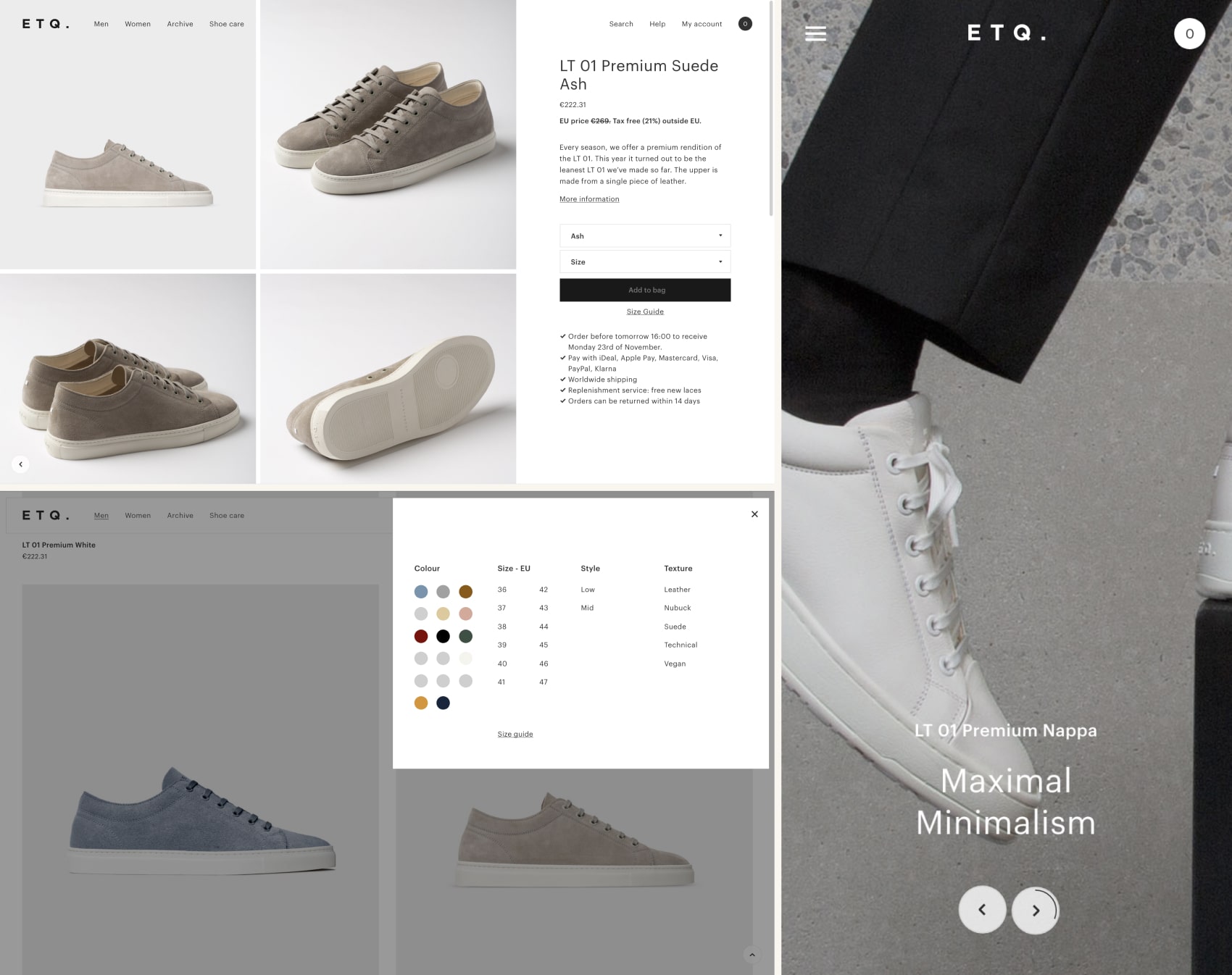
10 Best Online Store Designs in 2026 and What Makes Them Work
-
24. 11. 2020

7 UX/UI Design Trends That Actually Matter in 2026
-
14. 02. 2021
SEO Copywriting in 2026: What Actually Ranks — and What Converts
-
01. 02. 2021
Why Responding to Online Reviews Matters in 2026 — And How to Do It Right
-
07. 07. 2026
Human-First Content Strategy: Why AI Content Is Losing the Trust War in 2026
-
14. 02. 2021
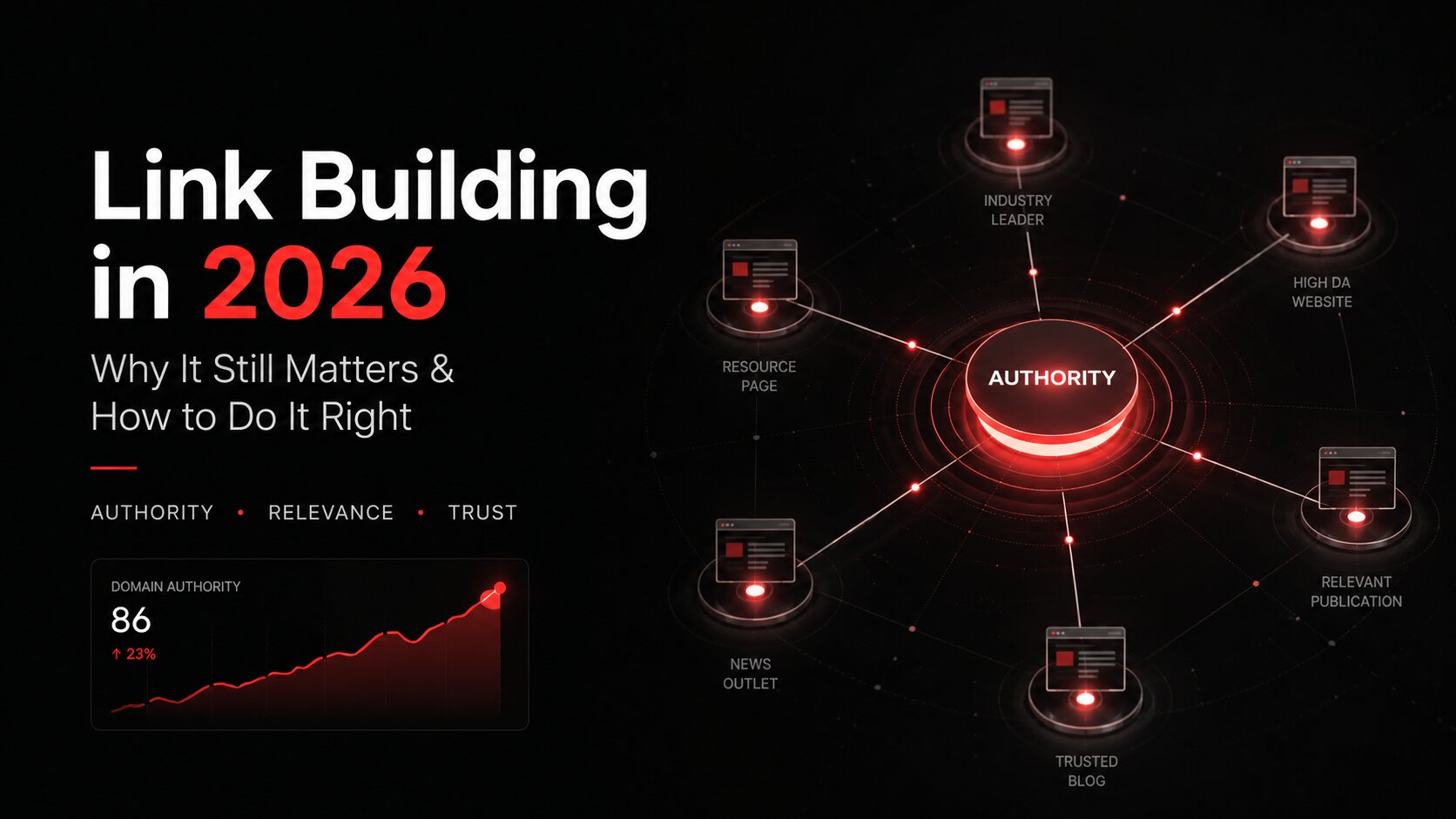
Link Building in 2026: Why It Still Matters and How to Do It Right