


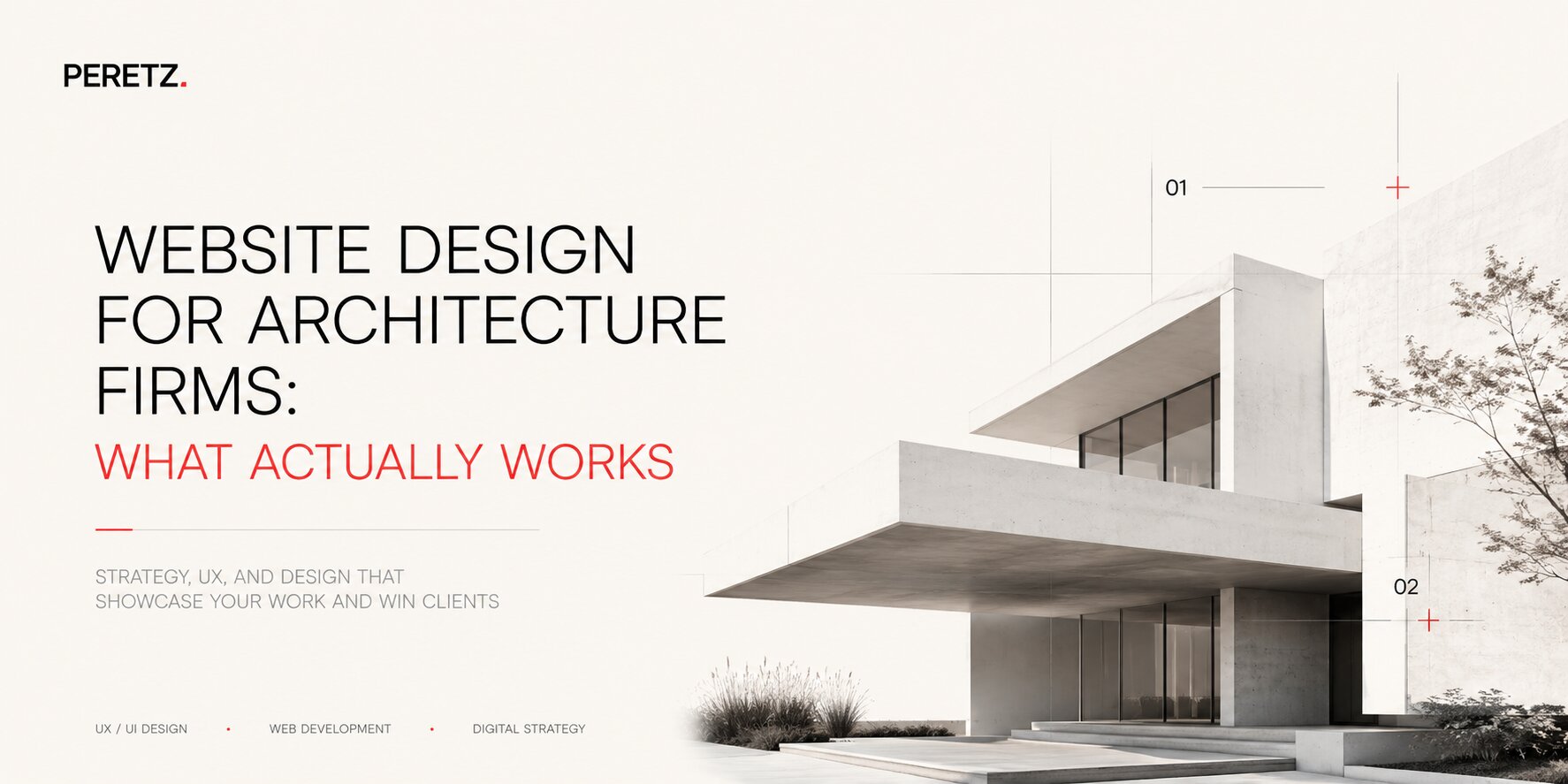
Architecture sells trust in details a client can't physically evaluate before construction begins. That makes the website a uniquely high-stakes piece of the sales process — and most architecture firm websites get it wrong in the same handful of ways.
Common mistakes architecture firm websites make
1. No documented projects. A gallery image with no context — no brief, no constraints, no explanation of the decisions made — asks a visitor to take quality on faith. The firms that convert better show the why behind a project, not just the final frame.
2. No before/after. This is consistently one of the highest-converting formats in any visual industry, and architecture firms avoid it more than almost any other sector — often for understandable professional reasons (architects frequently prefer to present only the finished result). The trade-off is real: you're choosing polish over persuasion.
3. Renders instead of real photographs. Renders are controllable and flawless. Photographs are proof. A site built entirely on renders, however well done, reads as a promise rather than a track record.
4. Vague service breakdowns. Wildly different price points with no clear explanation of what's included in each package erodes trust before a conversation even starts. Architecture is already a high-uncertainty purchase; unclear pricing structure adds to it instead of reducing it.
5. The "starchitect" syndrome. Many firm websites are built entirely around one named architect, as if the work were a solo act. In reality, no architectural project — like no pyramid — was built by one person alone. A site that erases the team erases the actual capability behind the work.
What an architecture firm website actually needs
- Documented projects with real context — brief, constraints, the reasoning behind the solution, not just a polished gallery
- Honest process documentation, even partial — site visits, draft iterations, material selection — anything that shows real work happening, not just a finished product appearing from nowhere
- Performance built for heavy visual content — 3D renders, walkthroughs, and video need to load fast; this isn't optional in a visually driven industry, it's table stakes
- Clearly structured services with transparent package composition, even if exact pricing requires a consultation
- Team-based presentation — credit the people who actually executed the work, not just the name on the door
Why this matters more in architecture than almost any other industry
Architecture is a high-ticket, long-cycle decision. A client typically can't experience the product until long after they've committed to it financially. That makes the website — and increasingly, visualization tools that let a client "stand inside" a space before it's built — the single biggest lever for reducing the uncertainty that kills deals before they start.
We didn't write this from the outside looking in. We run an architecture and design studio ourselves — dezzign.com.ua — and we've made several of these mistakes firsthand before correcting them. Read how DeZZign approached this exact problem in our full case study
See the resulting site in DeZZign.
- Share
-

-

-

-

Related Reading
-
15. 06. 2026
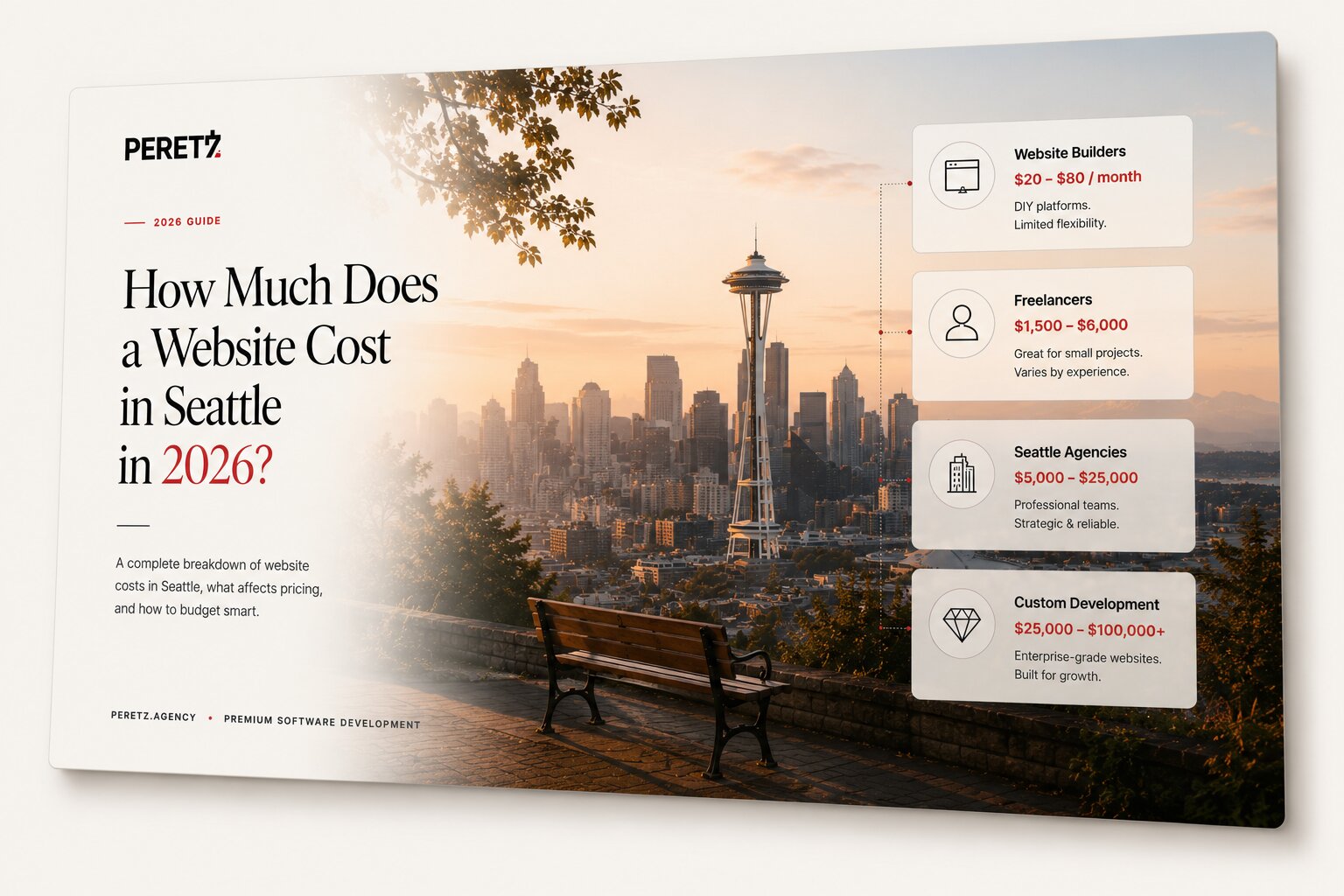
How Much Does a Website Cost in Seattle in 2026?

-
19. 06. 2026

How Much Does Social Media Management Cost in the US in 2026?
-
17. 06. 2026
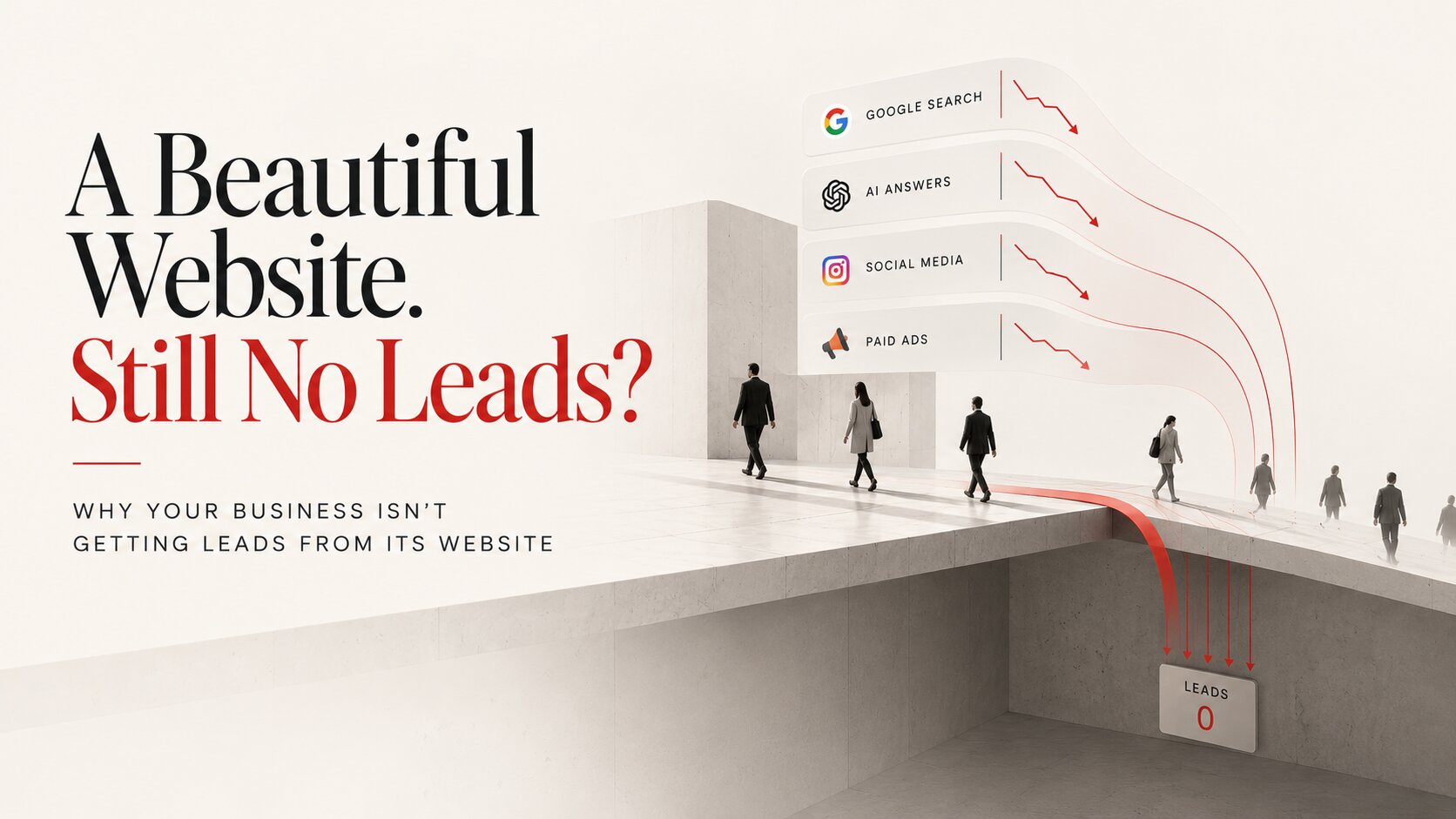
Why Your Business Isn't Getting Leads From Its Website (And How to Fix It in 2026)
-
18. 06. 2026

How Much Does a Website Cost in Bellevue WA in 2026?
-
14. 02. 2021
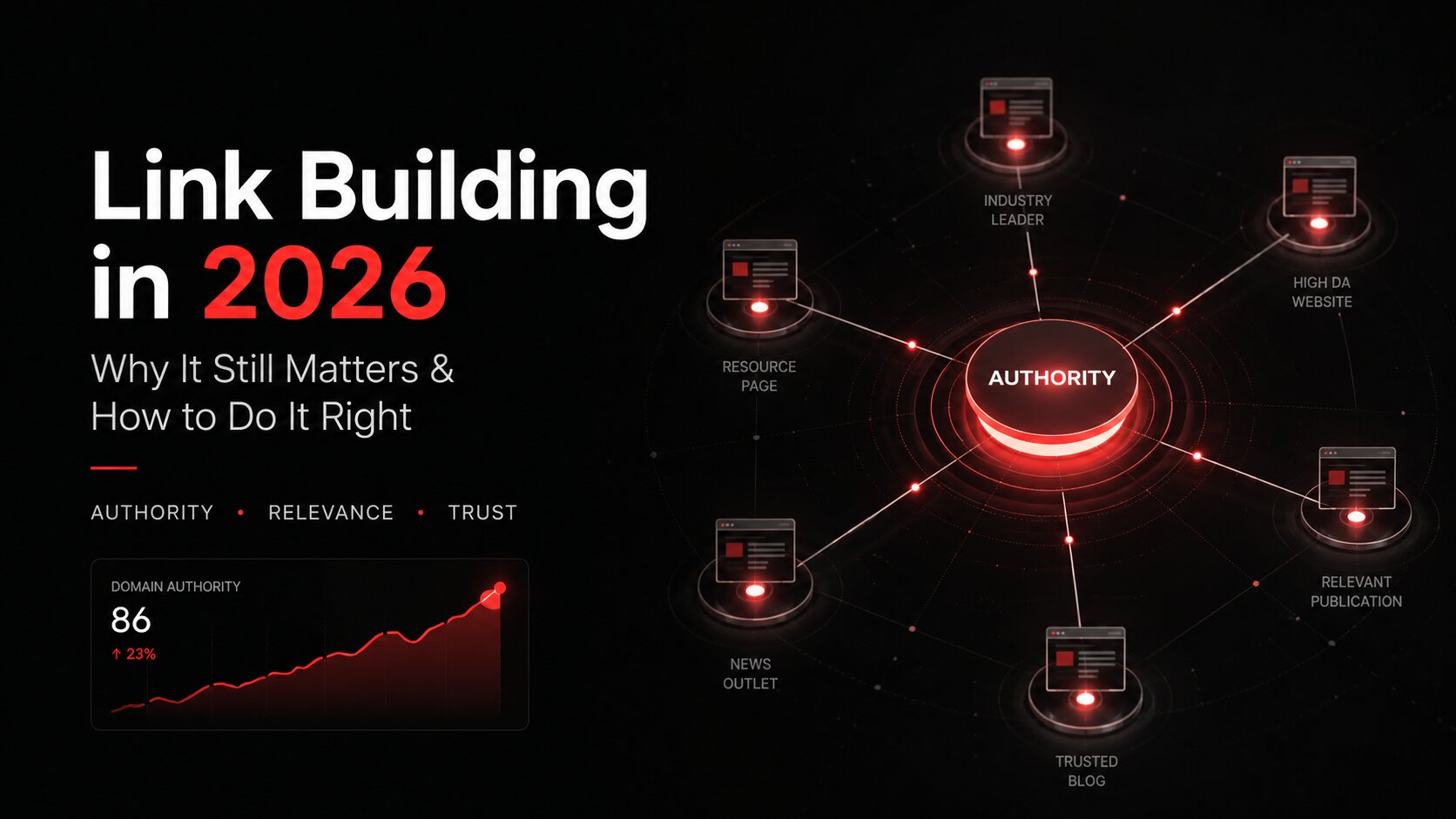
Link Building in 2026: Why It Still Matters and How to Do It Right